Dengue Risk in Malaysia During the Northeast Monsoon
If you have lived in Malaysia for a long time, you know exactly what the end of the year feels like. The sky turns grey, the air gets cooler, and the rain starts pouring almost every afternoon. We call this the Northeast Monsoon, or MTL. While many of us look forward to the cooler weather, the Malaysian Meteorological Department (MetMalaysia) and the Ministry of Health see it differently. For them, this season marks a high-risk period for floods and an even bigger threat that follows closely behind: dengue fever.
For healthcare sectors such as clinics, pharmacies, and hospitals, this season is not only a public health concern but also a call to action to prepare for a surge in patients and manage resources effectively
The Statistics of Dengue in Malaysia
Before we dive into the details, let us talk about the reality of the situation. According to reports, the numbers for dengue in Malaysia are not just static. By early December 2025, the cumulative number of cases nationwide has already reached a staggering 46,983.
When you break this down week by week, the trend is concerning for healthcare providers. For example, during epidemiological week 44, which covers late 26 October to 1 November 2025, we saw 896 new cases reported in just 7 days. This was a jump from 794 cases the week before, showing a clear upward trend that mirrors the heavy rains of the MTL arrival.
Selangor continues to bear the heaviest burden, contributing to a large portion of these statistics. By this same period in late 2025, Selangor alone has recorded around 21,000 cases. In urban centers like Petaling and Hulu Langat, numbers stay high because of high population density and areas where stagnant water can hide.
Local experts have warned that the rainy season leads to a massive spike in mosquito populations. When the rain falls, it creates small pools of stagnant water in places we often overlook. Whether it is a discarded plastic cup, a blocked drain, or a flower pot, these spots become the perfect nurseries for Aedes mosquitoes. With the MTL expected to last well into early 2025, we simply cannot afford to let our guard down.
Why the Northeast Monsoon (MTL) Increases Risk
Many people think that heavy rain washes mosquitoes away. While it is true that heavy floods might destroy some breeding sites, the real danger happens when the rain stops or when floodwaters start to recede. Experts have pointed out that receding floodwaters leave behind puddles and containers filled with clean, still water.
Aedes mosquitoes do not like dirty, moving water. They love the clean water left behind after a storm. This is why the risk of dengue often peaks a few weeks after the heavy rain begins. As the floodwaters dry up, we see a rise in mosquito activity. If we combine this with the fact that many people are busy cleaning their homes after a flood, they might not notice the symptoms of dengue until it is quite late.
Common Signs of Dengue
Many Malaysians already know the basic symptoms of dengue, but reminders are still important especially during monsoon months. Common signs include:
• High fever
• Bad headache
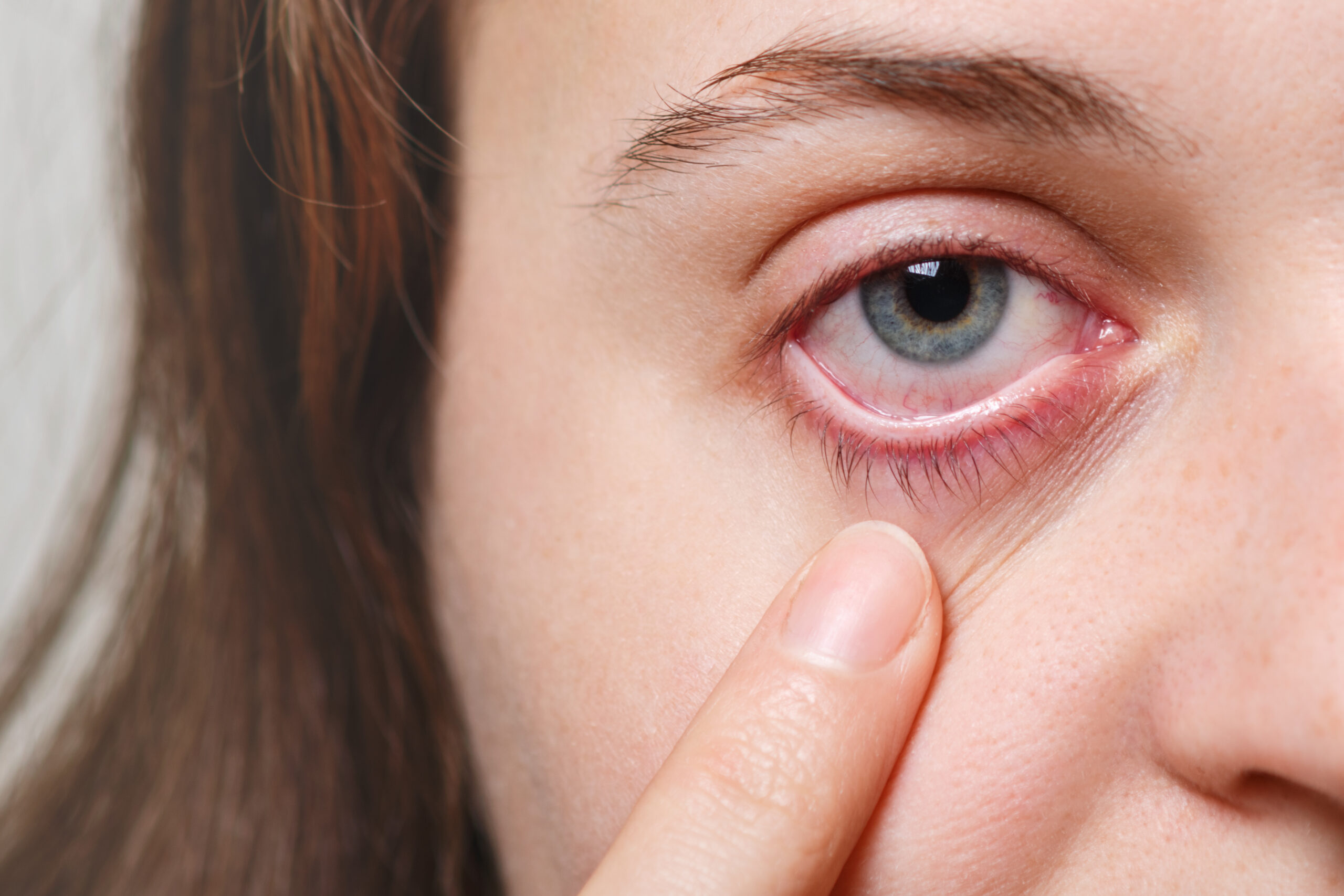
• Pain behind the eyes
• Muscle and joint pain
• Vomiting or feeling very weak
• Skin rash
• Bleeding from gums or nose or easy bruising
• Stomach pain
Anyone with these symptoms should see a clinic or doctor quickly. Early care helps prevent severe cases.
Why Early Checks Matter
When dengue spreads fast in the community, it becomes harder for healthcare facilities to respond. But if people come early, clinics can identify suspected dengue cases and guide them on what to do next. Some patients may need follow up visits to check their platelet levels. Others may need hospital care.
When the public comes early for diagnosis, it also helps reduce sudden spikes in serious cases. This makes healthcare flow smoother during this busy season.
How PharmaRise Supports Clinics, Pharmacies and Hospitals During Monsoon Season
PharmaRise is a trusted partner for healthcare providers in Malaysia. During dengue season, PharmaRise offers services that help clinics, pharmacies and hospitals stay ready and well supported.
1. Reliable Wholesale Supply to Maintain Medicine and Product Stock
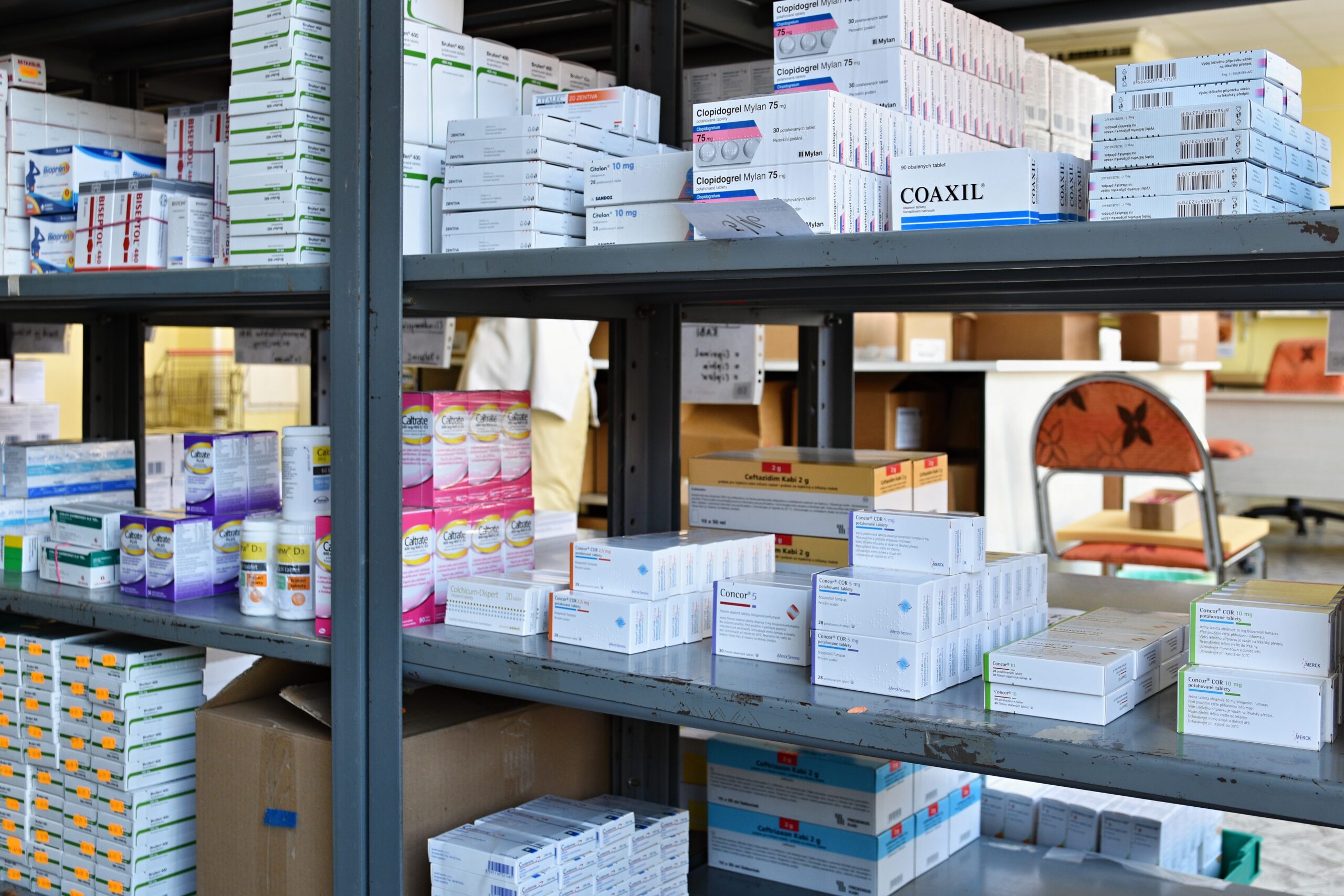
PharmaRise offers wholesale services with over 4,200 SKUs available for clinics, pharmacies and hospitals.
Because dengue season brings higher demand for fever-relief medicines, rehydration solutions, symptomatic treatments, and basic first-aid supplies, clinics and pharmacies can rely on PharmaRise to supply these in bulk. This helps avoid shortages when demand surges.
Flexible ordering and competitive pricing make it easier for both small clinics and larger hospitals to manage stock efficiently.
2. Supply of OTC Products Medical Supplies and Equipment
PharmaRise also provides over-the-counter (OTC) products and a wide range of medical supplies and equipment.
During dengue outbreaks, pharmacies may need to offer items like oral rehydration salts, general pain relievers, mosquito-repellent personal care items, and other symptomatic care products. Clinics and hospitals may need diagnostic devices (thermometers, oximeters), consumables (gloves, syringes, IV sets), and other medical supplies. PharmaRise’s wide catalog helps cover those needs seamlessly.
PharmaRise also supplies clinics and hospitals with essential vaccines, including influenza vaccines, and diagnostic tools such as COVID + Influenza combo test kits. These items are available for clinics and hospitals only and help healthcare providers manage multiple seasonal risks during monsoon months.
Supply of Immune Support Products and Supplements
During Malaysia’s monsoon season, the body can face extra stress from changing temperatures, high humidity, and exposure to pathogens. Clinics, hospitals, and pharmacies can stock immune-support products to help patients stay healthy. Key items include:
- i) Vitamin C – Supports the immune system and may reduce the severity of viral infections.
- ii) Vitamin D – Helps maintain immune function and bone health, especially when sunlight exposure is limited during rainy periods.
iii) Zinc – Supports overall immunity and aids recovery from infections.
- iv) Probiotics – Promotes gut health, which is closely linked to the body’s immune response.
3. Warehouse & Distribution Services for Smooth Supply Chain
PharmaRise offers warehouse and distribution services, with compliant storage and safe transport including for temperature-sensitive or controlled medications.
Especially during monsoon or post-flood periods when transport and logistics can be disrupted, PharmaRise’s distribution network helps ensure that clinics, pharmacies and hospitals still receive needed supplies on time. This reduces risk of stockouts or delays during high-demand periods.
What Malaysians Can Do During Monsoon Season
Even simple actions at home can help stop dengue. Here are some reminders for families
• Check your home for standing water at least once a week
• Cover water storage containers
• Clear blocked drains and gutters
• Use mosquito repellent especially in the morning and evening
• Wear long sleeves when going out
• Keep your surroundings clean
• Seek medical help if you feel unwell
Conclusion
As Malaysia moves through the Northeast Monsoon, healthcare challenges like dengue will continue to evolve. The future calls for stronger community awareness and smarter preventive measures. With seamless collaboration between clinics, hospitals, and trusted partners like PharmaRise, Malaysia can face seasonal health risks with greater resilience and keep communities safer and healthier year after year.