Malaysia Elective Surgery Wait Times: Causes & Healthcare Impact
Elective surgery wait times in Malaysia’s public healthcare system have been getting longer in recent years, particularly for non-cancer procedures. According to the Ministry of Health (MOH), patients may now face waiting times ranging from two weeks to over a year, depending on the surgical specialty. In some areas, the delays are even more apparent, with a significant number of patients on cardiothoracic surgery waiting lists and certain paediatric cases taking up to 21 months.
That said, longer waiting lists do not necessarily reflect poor healthcare quality. They often point to how the system is structured, where emergency cases must be prioritised, specialist availability is limited, and demand continues to rise.
Because of this, the impact of these delays is not limited to hospitals alone. Private healthcare providers, specialist centres, and GP clinics are playing a growing role in supporting patients throughout different stages of the surgery journey.
What Is Elective Surgery?
Elective surgery refers to procedures that are planned and scheduled in advance because they are not urgent medical emergencies. Despite the name, this does not mean the surgery is optional or unnecessary.
Common examples include:
- Cataract removal
- Hernia repair
- Joint replacement
- Gallbladder surgery
- Certain urology procedures
Unlike emergency surgery, patients go through a structured process before the operation is confirmed. This allows clinicians to assess medical fitness, manage risks, and ensure the procedure can be carried out safely.
Beyond the surgery itself, the overall patient journey also requires careful coordination. Healthcare providers play an important role in ensuring patients receive the support they need at each stage.
Why Are Surgery Wait Times Increasing?
Longer wait times for surgery are influenced by a combination of factors within the healthcare system, rather than a single issue. Over time, these challenges can slow down how quickly patients receive the treatment they need.
1. Emergency Cases Take Priority
Every government hospital prioritises life-threatening conditions first. As a result, patients requiring elective surgery must wait until operating theatres, specialists, and supporting resources become available. In high-demand facilities, this can significantly extend waiting times.
2. Specialist Shortages Continue
MOH has confirmed that several surgical fields continue to face shortages of specialists, particularly in:
- Cardiothoracic surgery
- Paediatric surgery
- Urology
With demand growing faster than specialist capacity, surgery wait times in these areas remain among the longest in the public healthcare system.
3. Every Surgery Follows a Standard Operating Process
Before elective surgery can be scheduled, patients go through a structured standard operating process to ensure they are fit for the procedure. This typically includes:
- Medical consultations
- Blood investigations
- Diagnostic imaging
- Anaesthetic assessments
- Other clinical evaluations
These steps are essential for patient safety, but they also add time to the overall surgery process. Many of these assessments may take place outside the primary hospital, creating additional touchpoints across the patient’s healthcare journey.
The Growing Role of Private Healthcare
Longer surgery wait times are also changing how patients navigate the healthcare system. Many now rely on private hospitals, specialist centres, and GP clinics for parts of their care journey, such as consultations, investigations, and follow-up appointments, while remaining on the waiting list for surgery at a government hospital.
These services commonly include:
- Second opinions
- Specialist consultations
- Pre-operative assessments
- Diagnostic imaging
- Post-operative follow-up care
This shared model of care means patients increasingly move between government hospitals and private hospitals throughout their surgical journey.
That shift has expanded the role of private healthcare providers, who are increasingly supporting patients through consultations, assessments, and recovery care alongside government hospitals.
Why Are Preparation and Supply Reliability Important?
As patient movement across the surgery process becomes more distributed, the operational demands on private hospitals, specialist centres, and GP clinics continue to grow.
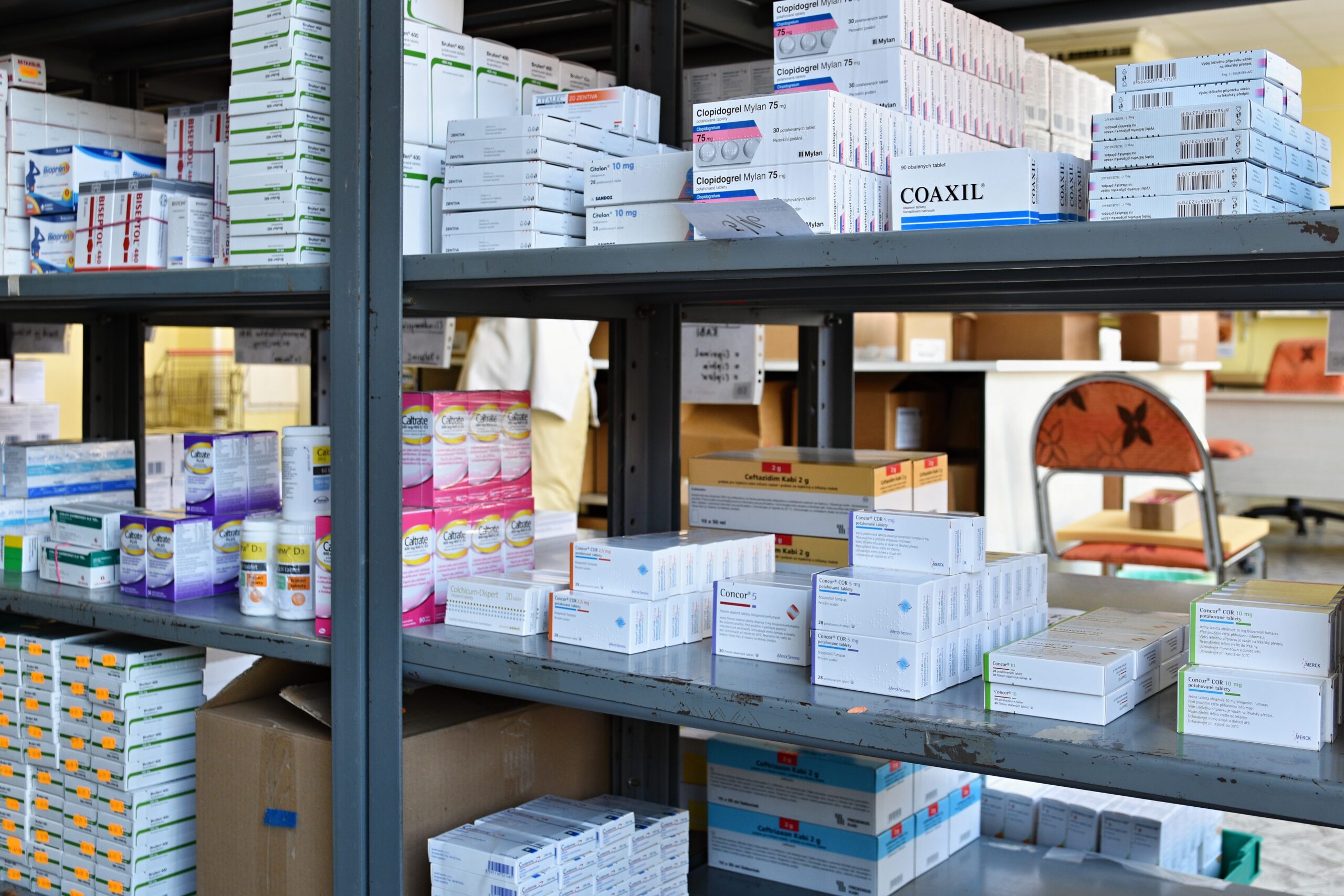
Supporting patients before and after elective surgery requires reliable access to a wide range of medical equipment and supplies, including:
- Diagnostic equipment
- Patient monitoring devices
- Wound care products and dressings
- Surgical consumables
- Sterile gloves, syringes, and other disposable medical consumables
- Essential pharmaceutical products
Stock shortages or supply disruptions at any point can delay patient care, create bottlenecks in the surgery process, and place additional pressure on already stretched clinical teams.
Working with an experienced medical equipment supplier and pharmaceutical distributor helps healthcare providers maintain consistency across day-to-day operations, from inventory planning to patient support.
Reliable access to everyday essentials plays a critical role at every stage of the surgery process. This is where PharmaRise supports healthcare providers across Malaysia, helping ensure medical equipment, supplies, and pharmaceutical products remain consistently available so patient care can continue without unnecessary disruption.
Conclusion
Malaysia continues to address the structural pressures driving its elective surgery backlog, with MOH implementing initiatives such as expanded hospital cluster concepts, inter-agency collaboration, and public-private partnership programmes to help reduce surgery wait times. While progress is being made, demand continues to outpace capacity in several key specialties.
Ultimately, reducing surgery wait times is not just about increasing the number of operations performed. It also means ensuring patients receive timely care throughout the entire surgery process, from diagnosis and pre-operative assessments to recovery and follow-up. With reliable access to essential medical equipment and supplies, healthcare providers can continue supporting patients safely and efficiently at every stage of their journey.