What Is ORS? Uses, Benefits & When You Need It
Malaysia is heading into a period of hotter and drier weather, with El Niño expected to intensify towards the end of 2026. At the same time, haze from fires in Indonesia continues affecting parts of the country. While haze itself does not cause dehydration, prolonged exposure to hot weather can increase fluid loss through sweating, making hydration more important during this period.
Most people know that drinking water is important when the weather gets hot. But when the body loses significant amounts of fluid and electrolytes, water alone may not always be enough.
This is where oral rehydration salts, commonly known as ORS, can help. But what exactly is ORS, when should you use it, and how is it different from simply drinking water?
What Is ORS?
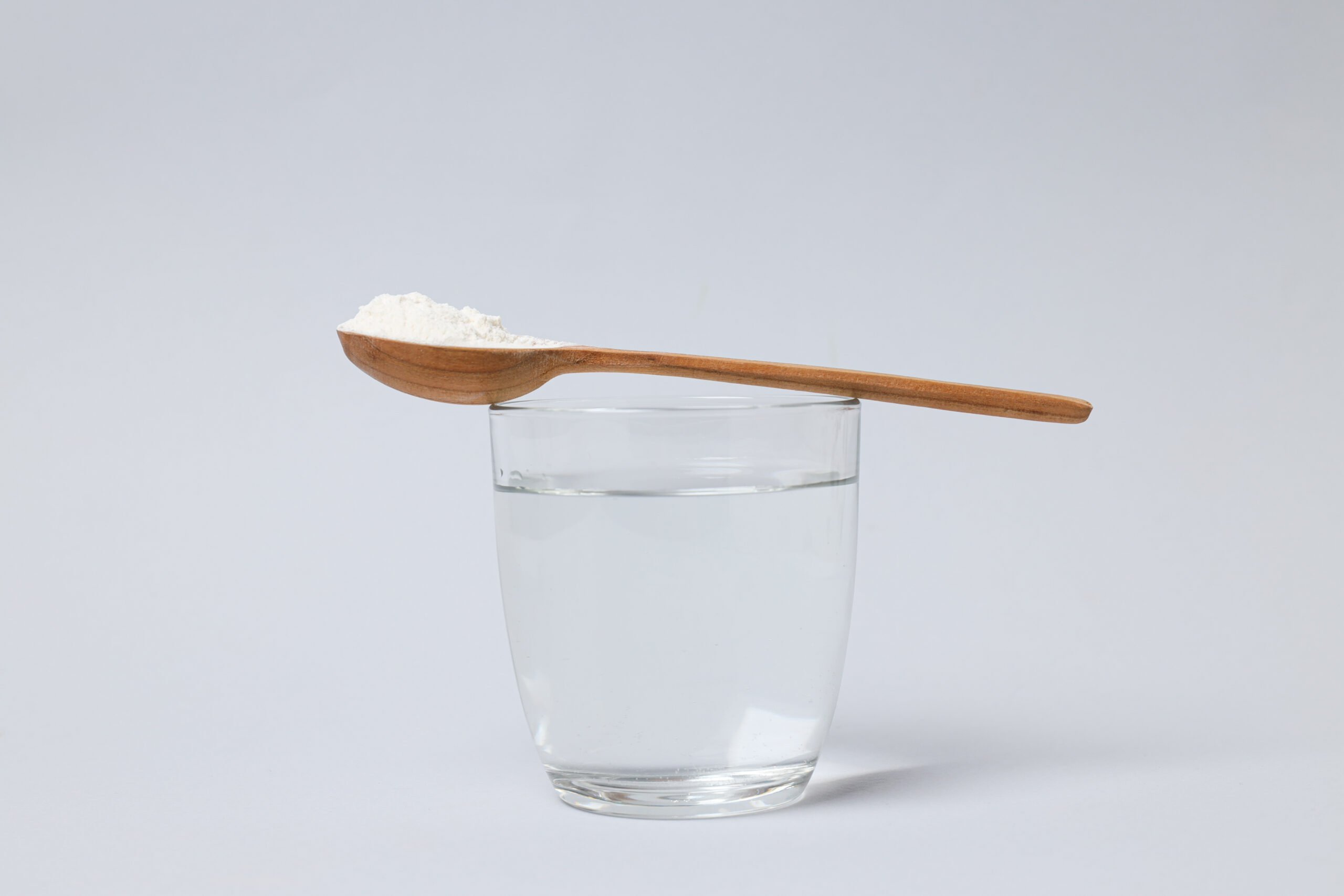
Oral rehydration salts (ORS) is a carefully formulated combination of water, glucose and electrolytes such as sodium and potassium. It is designed to help the body replace both fluids and electrolytes lost through dehydration.
The glucose and sodium in oral rehydration salts work together in the small intestine to improve the absorption of water into the body. This makes an ORS drink particularly useful when dehydration involves significant fluid and electrolyte loss.
Unlike a regular soft drink or sports drink, an ORS formulation is specifically designed for rehydration. This is why an ORS sachet should always be prepared according to its instructions rather than modified with extra sugar, salt or other ingredients.
When Should I Use ORS?
ORS is not something you need every time you feel thirsty. It is designed for situations where your body has lost significant amounts of fluid and electrolytes, making it important to understand when an ORS drink is actually needed. Here are a few situations where ORS may be useful:
1. When You’re Experiencing Diarrhoea and Vomiting
Diarrhoea and repeated vomiting can cause the body to lose large amounts of fluid and electrolytes in a short period. In these situations, oral rehydration salts can help replace what has been lost while supporting continued fluid absorption.
This is one of the most common ORS indications, particularly when dehydration develops alongside gastrointestinal illness.
2. Prolonged Heat Exposure
Spending extended periods in hot weather can lead to heavy sweating and greater fluid loss. For outdoor workers, athletes and people who spend long hours outside, dehydration can become a concern if fluids are not replaced adequately.
In these situations, an ORS drink may be useful when significant fluid and electrolyte loss has occurred. For mild thirst or everyday hydration, however, plain water is generally enough.
3. Fever and Illness
Fever can increase fluid loss through sweating and faster breathing. People who are also eating and drinking less while unwell may become dehydrated more easily.
An ORS sachet can help replenish fluids and electrolytes during recovery when dehydration is present, although it does not treat the underlying illness or fever itself.
It’s important to remember that the purpose of oral rehydration salts is not to replace everyday drinking water. They are intended to provide targeted rehydration when the body has lost both fluid and electrolytes through the situations mentioned earlier.
How Does an ORS Drink Work?
The effectiveness of an ORS drink comes from its specific balance of glucose and electrolytes.
Sodium and glucose are absorbed together in the small intestine, helping water move into the bloodstream more efficiently. This is why the formulation matters. Simply adding salt or sugar to water does not produce the same carefully balanced solution.
An ORS sachet therefore needs to be mixed with the exact amount of clean water stated on the packaging. Using too little or too much water changes the concentration of the solution and can affect how it works.
Once prepared, the ORS drink should also be consumed according to the product instructions and used within the recommended timeframe.
ORS Dosage: How Much ORS Do I Need?
There is no single dosage for oral rehydration salts that applies to everyone. The amount needed depends on factors such as age, the severity of dehydration and the amount of fluid being lost.
For this reason, the appropriate oral rehydration salts dosage should follow the instructions on the specific product or advice from a healthcare professional, particularly for young children, older adults and people with existing medical conditions.
When using an ORS sachet, always:
- Mix it with the exact amount of clean drinking water stated on the packaging
- Do not add extra sugar, salt or other ingredients
- Take small, frequent sips rather than drinking a large amount at once, particularly if you are experiencing nausea
- Follow the recommended oral rehydration salts dosage for the product and age group
Important Note: People with conditions such as kidney disease, heart failure or certain heart and blood pressure conditions should seek medical advice before using ORS because of its sodium content. People with diabetes may also need guidance because ORS contains glucose.
When Should You See a Doctor?
ORS can help manage dehydration, but it does not replace medical treatment when dehydration becomes severe or when an underlying illness requires attention.
Seek medical care if someone develops signs such as:
- Very little or no urination
- Severe weakness or extreme drowsiness
- Confusion
- Rapid or weak pulse
- Persistent vomiting that prevents fluid intake
- Loss of consciousness
Severe dehydration may require treatment in a clinical setting and cannot always be managed with an ORS drink alone.
Keeping ORS in Stock During High-Demand Periods
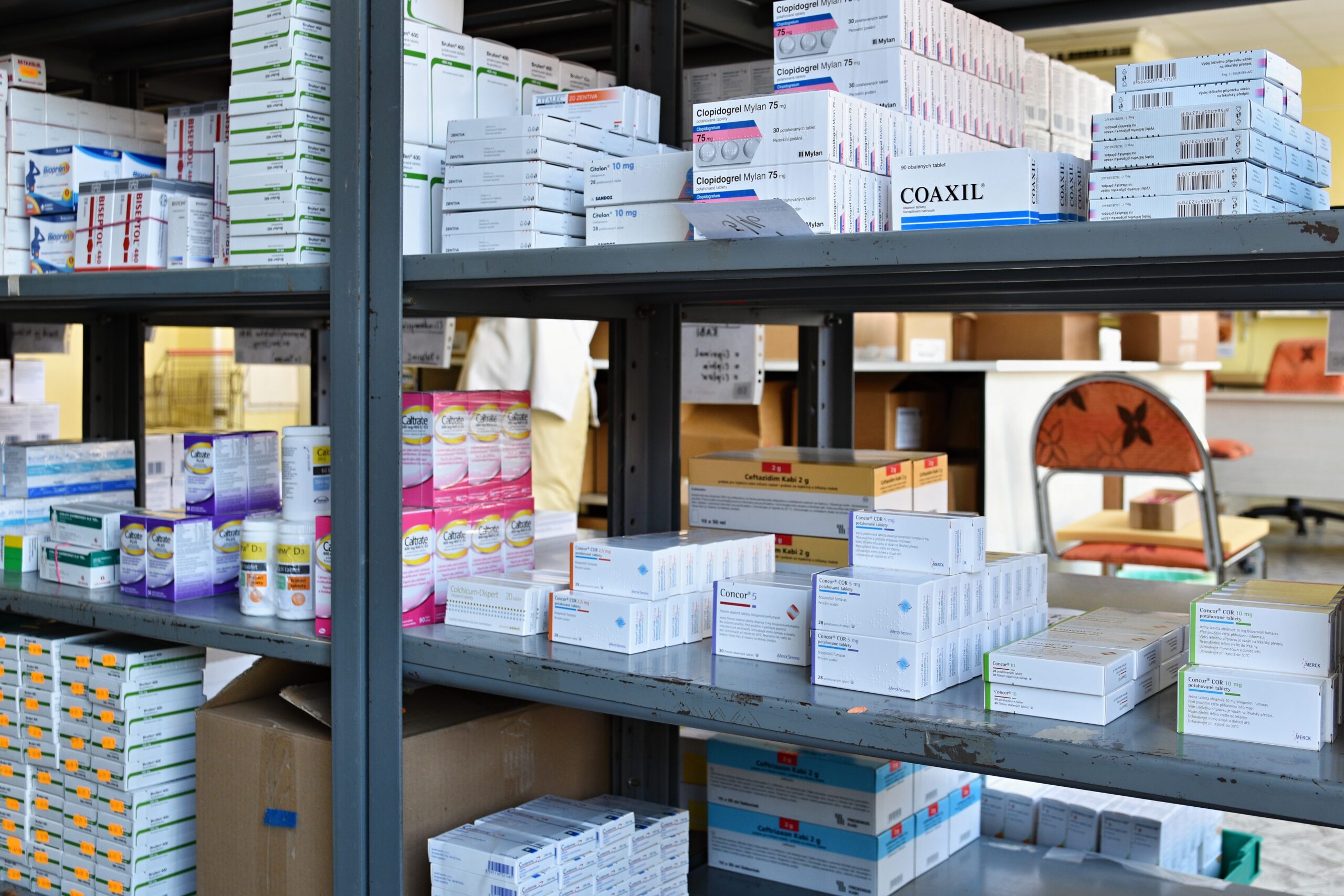
Periods of extreme heat, seasonal illness and increased public awareness can all influence demand for rehydration products. For pharmacies and clinics, maintaining sufficient stock of oral rehydration salts can help ensure patients have access to an appropriate rehydration option when they need it.
Different types of ORS sachets are relatively convenient to store and can be supplied as part of a wider range of essential pharmaceutical products. Healthcare providers may also need other products to support patients experiencing gastrointestinal illness, fever or dehydration.
This is where working with a reliable medicine distributor can help. Consistent supply, clear communication and responsive stock management allow pharmacies and clinics to prepare for changes in demand rather than restocking only when shelves are already running low.
Staying Prepared for Hotter Days
Malaysia’s hotter weather makes dehydration an important health concern, particularly when people are exposed to heat for long periods or lose fluids through illness. Knowing when plain water is enough, when oral rehydration salts may be needed, and when medical attention is necessary can help people manage dehydration more safely.
Maintaining a reliable supply of ORS sachets and other rehydration products can help healthcare providers respond quickly when demand increases.
PharmaRise supports clinics, pharmacies, and healthcare providers across Malaysia with reliable access to pharmaceutical products and medical supplies, helping them stay prepared to meet everyday patient needs as well as periods of increased demand.