Flood Season in Malaysia: Health Risks, High-Risk Areas & Family Safety Tips
Malaysia has officially entered the monsoon season, and with it comes a higher risk of floods across the country. The monsoon season in Malaysia for 2025/2026 is expected to bring multiple waves of heavy rain, not just one-off events. According to MetMalaysia and the Fire and Rescue Department, the nation may experience four to six episodes of intense rainfall, meaning a flood can recede and return within days.
Early monsoon surges typically affect Kelantan and Terengganu, while the peak period from mid-December to January poses a greater flood risk for Pahang, Johor, Sabah and Sarawak. On top of this, West Coast states recently faced severe weather due to Tropical Storm Senyar, a rare equatorial cyclone that triggered strong winds, rough seas and heavy rainfall across Selangor, Perak, Penang, Kedah and Johor.
With unpredictable weather patterns, families must prepare not only for property damage but also for the health risks linked to floods in Malaysia, contaminated waters and seasonal diseases. Understanding these risks helps Malaysians protect their homes, especially those living in any recognised flood area.
Which Areas in Malaysia Are Most Prone to Flooding?
Malaysia’s flood patterns follow long-term monsoon cycles. Based on Berita RTM’s latest updates on floods in Malaysia, the states that have experienced significant flood risks are:
- Perak (5,159 flood victims affected as of 30/11/25)
- Perlis (3,530 flood victims affected as of 30/11/25)
- Terengganu (3,332 flood victims affected as of 30/11/25)
- Selangor (3,280 flood victims affected as of 30/11/25)
- Pahang (1,093 flood victims affected as of 30/11/25)
- Kelantan (1,077 flood victims affected as of 30/11/25)
- Kedah (527 flood victims affected as of 30/11/25)
These areas are repeatedly identified as flood area hotspots due to river systems, geography and seasonal rainfall patterns.
During the first half of the monsoon season, the East Coast faces the earliest and most severe flooding. Meanwhile, the West Coast, including Selangor and Perak, was recently impacted by Tropical Storm Senyar, showing that even states not typically associated with heavy flooding can be affected by unusual weather patterns.
Because floods can occur in multiple cycles throughout the monsoon season, Malaysians should stay updated with weather alerts and practise essential monsoon safety tips.
The Hidden Dangers of Floodwaters: Why They're Not Safe for Adults or Children
Many Malaysians underestimate the danger of wading through floodwater or allowing children to play in it. However, floodwaters, especially in a flood area, are exposed to multiple hazards, including:
1. Sewage Contamination
Floodwaters often mix with sewage from drains, toilets, and septic tanks, carrying bacteria, viruses, and parasites. Exposure can lead to serious gastrointestinal infections, skin rashes, and other illnesses.
2. Industrial & Agricultural Waste
Runoff from factories, farms, and construction sites can introduce chemicals, pesticides, and fertilisers into floodwater. Contact may cause skin irritation, poisoning, or long-term health effects if ingested accidentally.
3. Rat Urine (Leptospirosis)
Leptospirosis is a serious bacterial infection transmitted through rat urine in floodwater. Stagnant water and prolonged exposure increase the risk, particularly for children and those with cuts or open wounds.
4. Sharp Debris
Floodwaters can conceal broken glass, metal, wood, and other hazardous objects. Stepping on or brushing against debris may result in deep cuts or puncture wounds, which are prone to infections if not treated promptly.
5. Electrical Currents
Submerged electrical wires, appliances, and power sources can energise floodwater, posing a risk of electrocution. Even partially submerged areas should be approached with extreme caution.
6. Drowning Risks
Fast-moving or unexpectedly deep water can sweep people off their feet, including children and adults. Even shallow areas can be dangerous if currents are strong or debris is hidden beneath the surface.
7. Mosquito Breeding
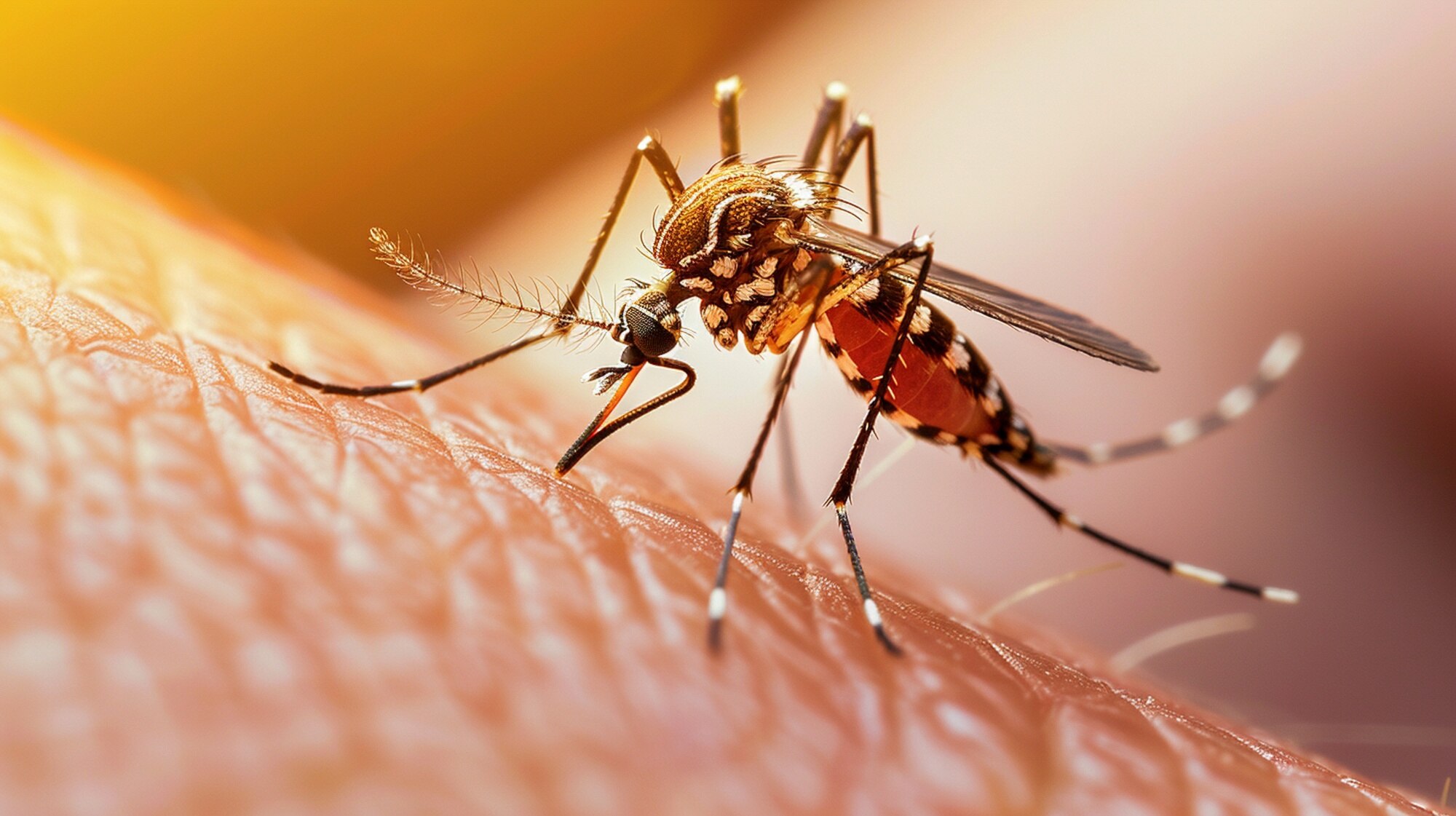
Stagnant water left behind after floods creates ideal conditions for mosquitoes, increasing the risk of dengue, Zika, and other mosquito-borne illnesses. Eliminating standing water and using repellents are key preventive measures.
These dangers highlight why Malaysians must take monsoon safety tips seriously, especially with the unpredictable weather brought by the monsoon season in Malaysia 2025/2026.
Why Malaysians Fall Sick During (and After) Floods
Flood exposure dramatically increases the risk of several illnesses. Here are the most common:
1. Leptospirosis (“Waspada Kencing Tikus”)
Leptospirosis spreads through rat urine commonly found in flood waters. Infection can occur even if floodwater touches an unbroken area of skin.
Symptoms to watch for:
- Fever
- Muscle aches
- Nausea and vomiting
- Red eyes
Seek medical care if:
Symptoms appear after you or your child has been exposed to floodwater.
2. Skin Infections (Cellulitis, Fungal Infections)
Cuts + dirty floodwater = fast infection.
Look out for:
- Redness
- Swelling
- Pain
- Pus or warmth around a wound
These infections are common in flood area communities and worsen without early treatment.
3. Gastroenteritis & Diarrhoea
Contaminated water during floods in Malaysia increases the spread of bacteria and viruses like rotavirus and norovirus.
Common causes include:
- Unboiled water
- Unwashed hands
- Contaminated food
4. Respiratory Illnesses
Cold, flu and pneumonia often rise during the monsoon season because of prolonged exposure to cold rain and damp environments.
Children and older adults are especially vulnerable.
5. Post-Flood Dengue Spike
After floodwaters recede, stagnant pools create ideal breeding grounds for Aedes mosquitoes.
Dengue cases often rise after a flood, not during the event itself.
Safety Tips for Families During Flood Season
Here are simple monsoon safety tips every household should follow:
1. Never let children play in floodwater
Floodwaters may look harmless, but they can contain sewage, chemicals, sharp debris, or hidden hazards. Children are especially vulnerable to infections, injuries, or accidental drowning, so keep them safely away.
2. Keep all wounds covered with waterproof bandages
Any cuts, scratches, or abrasions should be protected to prevent bacteria or viruses in the floodwater from entering the body. Waterproof bandages are especially essential to reduce the risk of skin infections like cellulitis or fungal infections.
3. Avoid walking barefoot in any flood area
Flooded areas often conceal sharp objects, exposed electrical cables, or contaminated surfaces. Wearing water shoes or boots provides protection and reduces the risk of injuries and infections.
4. Disinfect cuts or scratches immediately
Even minor wounds can become infected quickly after contact with contaminated water. Clean them promptly with antiseptic solutions to minimize the chance of serious infections or complications.
5. Boil drinking water during the monsoon season
Floods can compromise water sources, introducing bacteria or viruses. Boiling water ensures it is safe for drinking, cooking, or preparing food, helping to prevent gastroenteritis, diarrhoea, and other waterborne illnesses.
6. Stay updated through MetMalaysia and the myCuaca app
Heavy rain and flood conditions can change rapidly. Regularly checking official weather alerts allows families to avoid high-risk areas, prepare emergency kits, and follow evacuation instructions when needed.
These small steps significantly reduce the risk of illness during or after floods in Malaysia.
Flood-Season Home Medical Kit: What Every Malaysian Household Should Prepare
A ready-to-use medical kit ensures families can act fast when stranded in a flood area.
Essential items include:
- Antiseptic solutions
- Gauze, bandages and alcohol swabs
- Oral rehydration salts
- Paracetamol / ibuprofen
- Antidiarrheal medications (OTC)
- Mosquito repellent
- Disposable masks
- Hand sanitiser
- Enough prescription medicines for chronic conditions
This is especially important during the monsoon season, when clinic access may be disrupted, and families may be moved to temporary flood evacuation centres, or Pusat Pemindahan Sementara (PPS).
How Pharmacies Support Communities During Monsoon Season
Pharmacies play a major role in keeping communities safe during floods in Malaysia and the wider monsoon season. They assist by:
- Stocking essential OTC wound-care supplies
- Ensuring a stable and timely supply of chronic medications
- Giving practical health advice to walk-in customers
- Helping families choose the right products for monsoon safety
- Partnering with dependable pharmaceutical distributors like PharmaRise for timely restocking
This ensures communities remain supported even when weather conditions worsen.
Conclusion: Staying Prepared Helps Reduce Health Risks
The monsoon season in Malaysia 2025 brings real health risks, especially for families living in any known flood area. With unpredictable events such as Tropical Storm Senyar, Malaysians must remain alert, practise essential monsoon safety tips, and prepare an emergency medical kit.
Staying informed, acting early and understanding the dangers of flood exposure can protect your family’s health throughout the monsoon season.