Malaysia Heatwave 2026: Heat Stroke vs. Heat Exhaustion Guide
Malaysia is currently experiencing one of its most intense heatwaves in recent years, with no immediate signs of cooling down.
As of late March 2026, Perlis and multiple districts in Kedah and Perak are under Level 2 heatwave alert, recording temperatures between 37°C and 40°C for several consecutive days. According to MetMalaysia, these conditions are expected to persist until June, with peak temperatures occurring between mid-March and mid-April.
Most people know to drink more water in hot weather. What is less understood is the difference between heat cramps, heat exhaustion, and heat stroke, and why that distinction matters. One can be managed at home, another requires close monitoring, and the most severe is a medical emergency.
Recognising these stages early can make the difference between a manageable condition and a life-threatening one.
The Three Stages of Heat Illness
Heat-related illness develops progressively, and each stage requires a different response.
Stage 1: Heat Cramps
The earliest warning sign. Heat cramps are painful muscle spasms, usually in the legs, arms, or abdomen, caused by fluid and electrolyte loss from heavy sweating. They are uncomfortable but not dangerous on their own.
What to do:
Move to a cool or shaded area, rest, and rehydrate with water or an electrolyte drink. Gentle stretching may help. If symptoms pass within 30 minutes, no further action is usually needed, but treat it as a sign that your body is under heat stress.
Stage 2: Heat Exhaustion
The body starts to struggle. Heat exhaustion happens after prolonged exposure to heat, especially in humid conditions, where sweating becomes less effective and dehydration sets in.
Common symptoms include heavy sweating, fatigue, dizziness, nausea, headache, pale or clammy skin, and a rapid but weak pulse.
What to do:
Move the person to a cool place immediately. Remove excess clothing, apply cool, damp cloths, and give fluids. Most people recover within 30 minutes. If symptoms do not improve or get worse, seek medical help.
Stage 3: Heat Stroke
This is a medical emergency. Heat stroke occurs when body temperature rises above 40°C and begins to affect the brain. The person may stop sweating, become confused, lose coordination, or lose consciousness. Skin may be hot and dry instead of clammy.
Call 999 immediately and do not wait any longer.
Who Is Most at Risk
While heat can affect anyone, certain groups are more vulnerable due to how their bodies respond to high temperatures:
- Children heat up faster and may not recognise symptoms
- Elderly individuals have a reduced ability to regulate body temperature
- Outdoor workers experience prolonged exposure to heat
- People with chronic illnesses, especially heart, kidney, or metabolic conditions
Even short exposure can be dangerous. For example, leaving a child in a parked vehicle for just a few minutes in extreme heat can be fatal.
What to Do When Someone Collapses
When severe heat illness occurs, quick and decisive action is critical.
Step 1:
Call 999 if the person is confused, unconscious, or if you suspect heat stroke. Don’t wait.
Step 2:
Move them immediately. Get them out of direct sunlight and into the coolest available space. For example, an air-conditioned room is ideal.
Step 3:
Begin cooling without delay. Remove excess clothing, cool the skin by drenching it with water and fanning, and apply ice packs to the armpits and groin to help lower body temperature.
Step 4:
If they are conscious and able to swallow, offer cool water or an electrolyte drink in small, frequent sips. Do not force fluids on someone who is confused or cannot swallow properly.
Step 5:
Stay with them until help arrives or until you are confident they are recovering and monitored.
Do not:
- Give paracetamol to bring the temperature down. Heat stroke symptoms do not respond to fever medication the same way, and doing so may cause additional harm.
- Leave them alone.
- Assume confusion will pass on its own. In heat stroke, it will not.
Prevention: More Than Just Hydration
Staying hydrated is essential, but preventing heat illness requires consistent daily habits.
Drinking water regularly throughout the day is more effective than waiting until you feel thirsty, as thirst is often a late sign of dehydration. During physical activity, a small but frequent intake is recommended, around 200 to 250ml every 15 to 20 minutes.
Other simple measures make a big difference:
- Avoid outdoor activities during peak heat hours, typically between 11 AM and 4 PM
- Wear light, breathable clothing
- Limit caffeinated or sugary drinks, which can worsen dehydration.
For vulnerable individuals, access to a cool environment is not just about comfort. It is a health necessity.
The Medication Risk Most People Overlook
Many people are unaware that common medications can increase sensitivity to heat.
Certain medications can affect how the body responds to high temperatures by altering normal cooling processes. This can make it harder to stay hydrated and regulate body temperature, especially during prolonged heat exposure.
Some medications may:
- Reduce thirst signals
- Reduce or affect sweating
- Make it harder for the body to regulate temperature
- Increase your risk of dehydration
Common examples include:
- Diuretics (water pills): increase fluid loss
- Beta-blockers (used for high blood pressure and heart issues): reduce heat dissipation
- Antihistamines (for allergies): impair sweating
- Anticholinergics (for bladder and nerve conditions): reduce the body’s ability to cool itself
- Antidepressants and antipsychotics (for mental health conditions): affect temperature regulation
If you or a family member are taking these medications, speak to a pharmacist. Do not stop or adjust medication without professional advice.
When to Seek Medical Help
Go to a pharmacy if:
You have mild symptoms such as early heat cramps or dehydration, need advice on hydration or electrolyte support, or are unsure if a medication may be affecting how your body responds to heat.
Go to a clinic if:
Symptoms of heat exhaustion do not improve within 30 minutes, or if the person is elderly or has an existing chronic condition that may increase their risk.
Call 999 immediately if:
The person is confused, unconscious, or unresponsive, has hot and dry skin, or shows any heat stroke symptoms.
What Pharmacies and Clinics Should Be Doing Right Now
Healthcare providers play a critical role during periods of extreme heat.
Internally, staff safety should come first. Ensuring access to drinking water, recognising early symptoms, and having a clear response protocol can prevent incidents within the workplace.
Patient interactions also present an opportunity for education. A brief reminder during medication dispensing, especially for high-risk individuals, can make a real difference. Even a short sentence about staying hydrated or avoiding peak heat hours can help prevent serious complications.
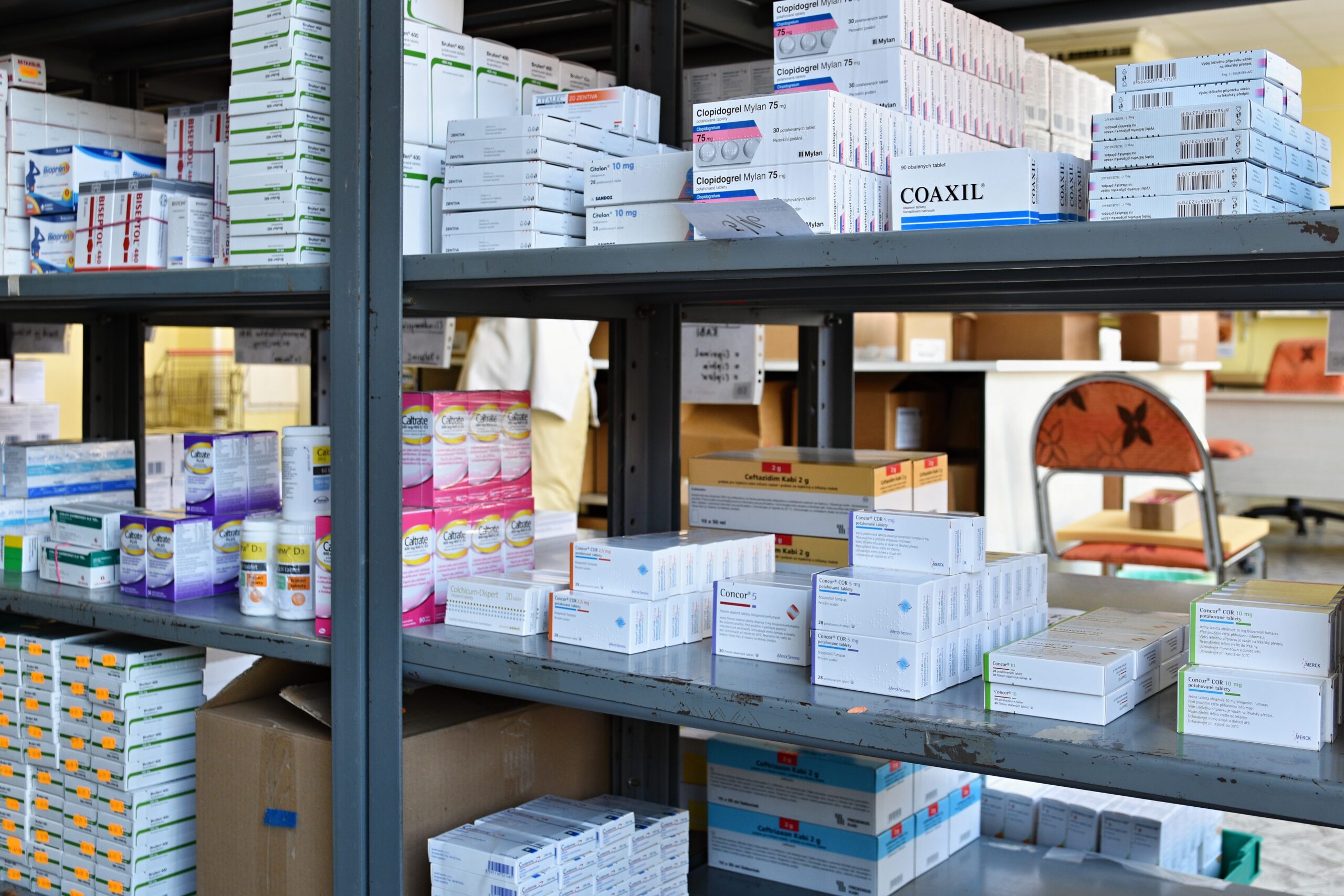
Operationally, heatwaves create predictable demand for hydration and supportive care products. Pharmacies and clinics that plan ahead and work closely with a reliable pharmaceutical supplier are better able to maintain consistent stock and meet patient needs during these periods.
A Final Word
Heat stroke symptoms do not show up suddenly. It happens in stages, and early heat stroke signs are often missed.
Understanding what to look for and acting early can prevent emergencies. Sharing this knowledge with family members, colleagues, and vulnerable individuals can make a meaningful difference during this heatwave.
For patients and caregivers, speak to your pharmacist if you are unsure how heat or medication may affect you.
For pharmacies and clinics, having a dependable supply partner helps ensure continuity of care when demand rises. PharmaRise supports healthcare providers across Malaysia with reliable medical supply and distribution, especially during high-demand periods.