Understanding Healthcare Challenges in Sabah
Healthcare in Sabah has improved significantly over the years, but the state still faces several unique healthcare challenges compared to many parts of West Malaysia. From rural accessibility to operational pressures faced by clinics, healthcare providers in Sabah often work in conditions that require extra planning and adaptability.
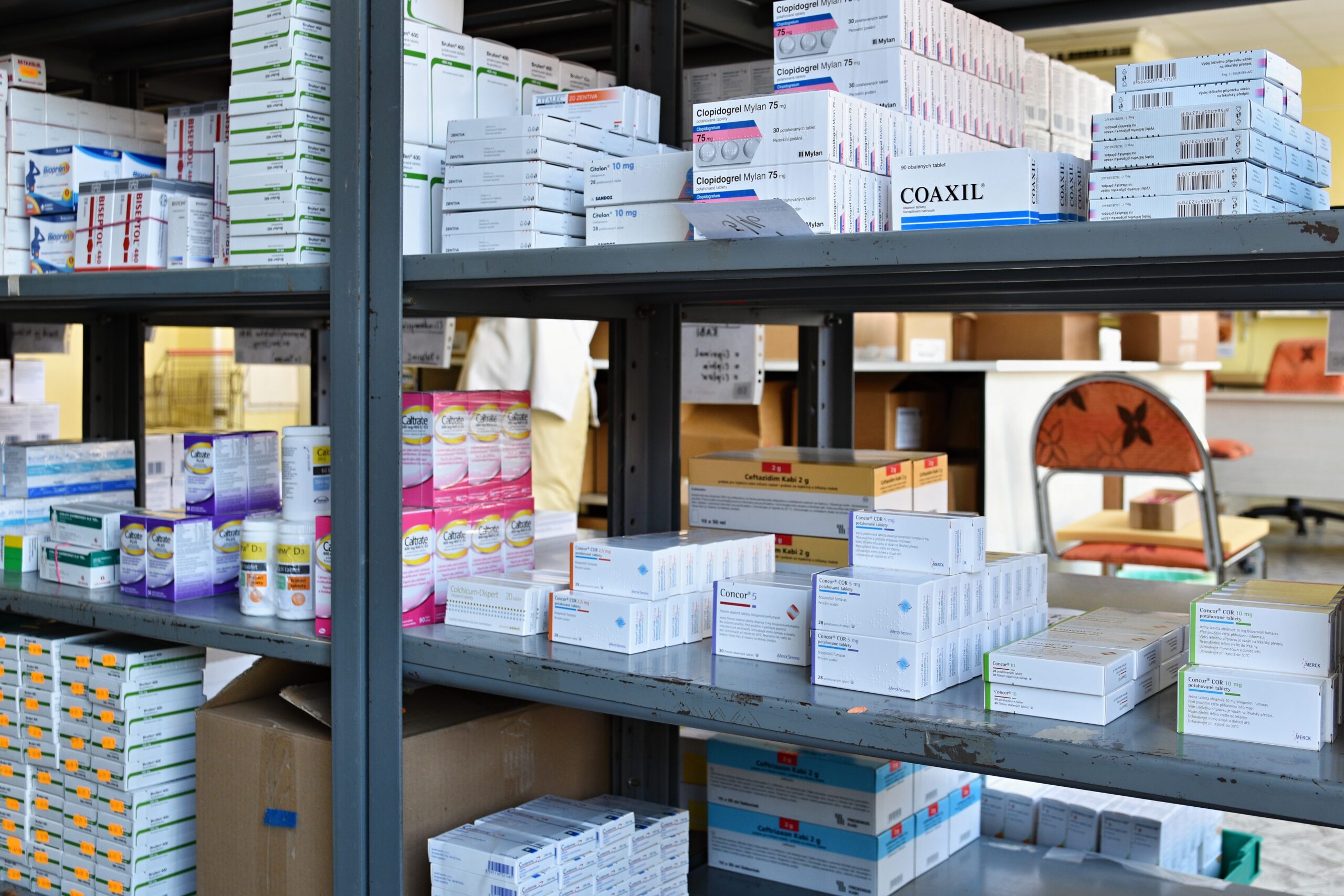
While public discussions usually focus on hospitals and doctors, there is also another side of healthcare that many people do not see, the operational systems and support networks that help clinics continue serving patients consistently every day.
In this article, we take a closer look at the healthcare challenges in Sabah and why reliable healthcare supply support has become increasingly important for clinics and healthcare providers across the state.
1. Geography Still Plays a Big Role in Healthcare Access
One of the biggest healthcare challenges in Sabah is geography.
Unlike highly urbanised states in West Malaysia, Sabah has many rural and remote areas that are more difficult to access. Some communities are located far from major healthcare facilities, making daily healthcare operations more complicated.
This can lead to challenges such as:
- Longer travel time to clinics and hospitals
- Delayed medical treatment
- Higher transportation costs
- Difficulty accessing specialist care
For healthcare providers, this also creates operational pressure as clinics need to plan ahead and prepare for less predictable situations.
Healthcare access in Sabah is therefore not only about having healthcare facilities available. Accessibility and operational readiness also play an important role.
2. Rural and Urban Healthcare Operate Differently
Healthcare services in urban areas such as Kota Kinabalu are generally more developed compared to rural parts of Sabah.
Urban healthcare facilities usually benefit from:
- Better infrastructure
- More healthcare professionals
- Faster patient access
- Wider specialist support
Meanwhile, rural clinics often operate with fewer resources and tighter operational conditions.
Patients living in rural areas may delay healthcare visits due to travel distance or transportation difficulties. This can affect how healthcare providers manage patient flow and daily operations.
Because of this, many rural healthcare providers need to adopt more flexible and prepared operational approaches.
3. Healthcare Infrastructure Is Improving, but Demand Is Growing Too
Healthcare infrastructure in Sabah continues developing, but demand for healthcare services is increasing at the same time. While many healthcare facilities are improving, some clinics and hospitals still face operational limitations that affect patient experience and daily healthcare delivery across different parts of the state.
- Aging Infrastructure
Some healthcare facilities in Sabah are still operating with older infrastructure and equipment, especially in districts outside major urban areas such as Kota Kinabalu. Areas like Keningau and Kudat may experience additional operational pressure as healthcare demand continues growing over the years.
Older facilities can sometimes affect operational efficiency, patient capacity, and the overall healthcare workflow. As patient numbers continue increasing, maintaining and upgrading healthcare infrastructure becomes increasingly important to support smoother healthcare operations.
- Limited Specialist Treatment Availability
Access to specialist healthcare services can still be limited in certain parts of Sabah, particularly for patients living outside larger urban centres.
In some situations, patients from areas such as Sandakan or interior districts may need to travel to Kota Kinabalu or even West Malaysia for specialised treatment. This can create additional challenges involving travel costs, accommodation planning, and longer waiting periods for patients and families.
For healthcare providers, managing referrals and coordinating treatment across locations can also become more operationally demanding.
- Overcrowded Public Healthcare Facilities
Public healthcare facilities in busier areas such as Kota Kinabalu and Sandakan may experience heavy patient traffic on a daily basis. As healthcare demand continues increasing, clinics and hospitals may face additional pressure in terms of waiting time, manpower allocation, and operational coordination.
This is why stronger backend planning and operational support are becoming increasingly important in helping healthcare facilities maintain smoother and more consistent healthcare delivery.
4. The Operational Side of Healthcare Is Often Overlooked
When people discuss healthcare challenges in Sabah, most conversations naturally focus on doctors, hospitals, or patients.
However, there is another important layer behind healthcare operations that often goes unnoticed.
Every clinic and healthcare facility also depends on:
- Daily operational planning
- Inventory coordination
- Supply management
- Resource availability
- Consistent backend support
In locations where accessibility and logistics can be less predictable, operational preparation becomes even more important.
Healthcare providers are not only focused on patient treatment. They also need to make sure their clinics remain prepared to operate smoothly every day.
5. Why Reliable Healthcare Supply Support Matters
As healthcare providers continue adapting to operational challenges, many clinics are now paying closer attention to how they manage supply and backend support.
Reliable healthcare supply support helps clinics:
- Maintain smoother daily operations
- Reduce supply disruptions
- Access a broader range of healthcare products
- Better prepare for changing patient demand
Because of this, some healthcare providers in Sabah are also exploring sourcing support beyond their immediate location, including suppliers from West Malaysia.
The goal is not simply convenience. It is about improving operational flexibility and maintaining consistency in patient care.
How PharmaRise Supports Healthcare Providers
As a healthcare wholesaler and distributor based in West Malaysia, PharmaRise supports clinics, pharmacies, and healthcare providers with more flexible healthcare supply solutions.
PharmaRise helps healthcare providers through:
- Access to a wide healthcare product range
- Flexible supply support
- Operational coordination support
- Supply solutions that adapt to changing demand
For clinics operating in Sabah, especially in areas where operational conditions can be more unpredictable, dependable supply support plays an important role in helping clinics stay prepared and consistent.
By supporting healthcare providers behind the scenes, PharmaRise allows clinics and facilities to focus more on patient care while maintaining smoother daily operations.
Conclusion
Healthcare in Sabah continues evolving alongside growing healthcare demand and changing community needs. While challenges related to accessibility, manpower, infrastructure, and operations still exist, healthcare providers across Sabah continue adapting and improving the way they serve local communities.
At the same time, stronger support systems and more flexible healthcare supply networks are becoming increasingly important in helping clinics maintain operational consistency.
As Sabah’s healthcare landscape continues developing, collaboration between healthcare providers and reliable supply partners will continue playing an important role in supporting more accessible and consistent healthcare services across the state.