Nipah Virus: Symptoms, Transmission and Prevention Explained
In recent weeks, you might have noticed conversations about the Nipah virus resurfacing across news reports and health discussions. Whenever a virus starts appearing in headlines again, it is normal to feel concerned.
Many people are asking the same questions. What exactly is Nipah virus. How does it spread. And should Malaysians be worried.
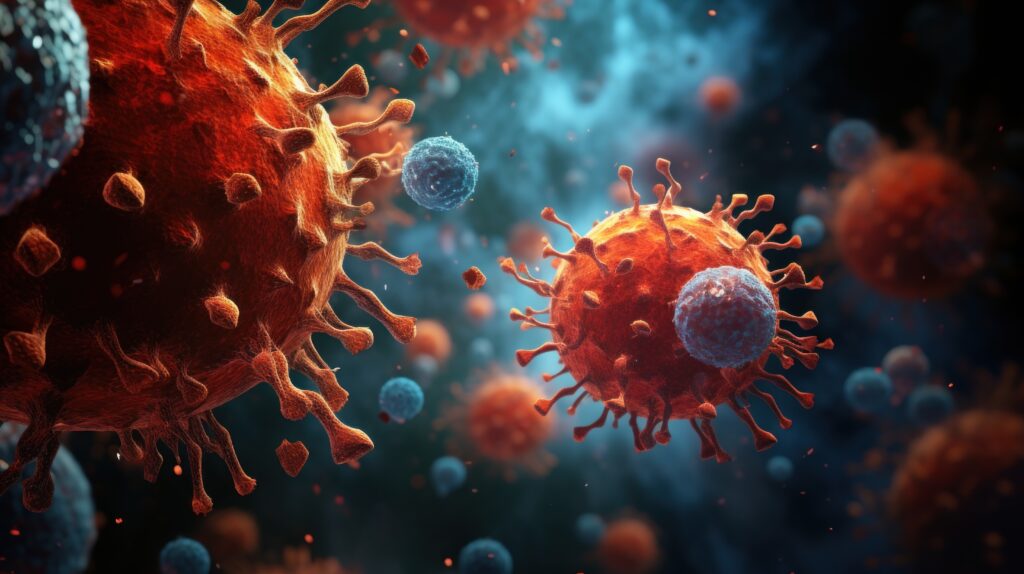
Nipah virus is classified as a zoonotic virus, which means it spreads from animals to humans. It was first identified in 1998 during an outbreak among pig farmers in Malaysia, particularly in Negeri Sembilan and Perak. Since then, sporadic cases have appeared in parts of South and Southeast Asia, including Bangladesh and India.
Outbreaks are rare, but the virus is taken seriously because of its high fatality rate and how quickly symptoms can worsen once infection occurs.
Understanding Nipah Virus in Simple Terms
So what exactly is Nipah virus in everyday terms.
It belongs to the same virus family as Hendra virus. Fruit bats, especially those from the Pteropus species, are known natural carriers. These bats usually do not fall sick, but they can pass the virus to animals or humans through contaminated food or direct contact.
Here is how transmission can happen:
- Contact with infected animals such as pigs
- Consumption of food contaminated by bat saliva or urine
- Drinking raw date palm sap exposed to bats
- Human to human transmission through bodily fluids
- Exposure among caregivers and healthcare workers
This human transmission risk is one reason healthcare systems continue monitoring the virus closely even when case numbers are low.
Common Symptoms People Should Watch For
If you are wondering what infection looks like, symptoms can range from mild to severe. In some cases, people may not show symptoms immediately, which makes early detection harder.
Early symptoms often look like common viral infections:
- Fever
- Headache
- Muscle pain
- Sore throat
- Fatigue
As the infection progresses, more serious neurological symptoms may appear:
- Dizziness
- Confusion
- Disorientation
- Seizures
- Encephalitis which is brain inflammation
- Coma in critical infections
Respiratory symptoms have also been reported:
- Cough
- Difficulty breathing
Because these symptoms overlap with other illnesses, early diagnosis can be challenging. This is one of the biggest hurdles in controlling potential outbreaks.
Consequences of Limited or Disrupted Medication Access
When medical supply is inconsistent or disrupted, the impact is felt immediately across the healthcare system. Limited medication access can lead to:
- Delays in starting treatment
- Interrupted management of chronic illnesses
- Increased workload and stress on healthcare providers
- Reduced patient confidence and adherence to treatment plans
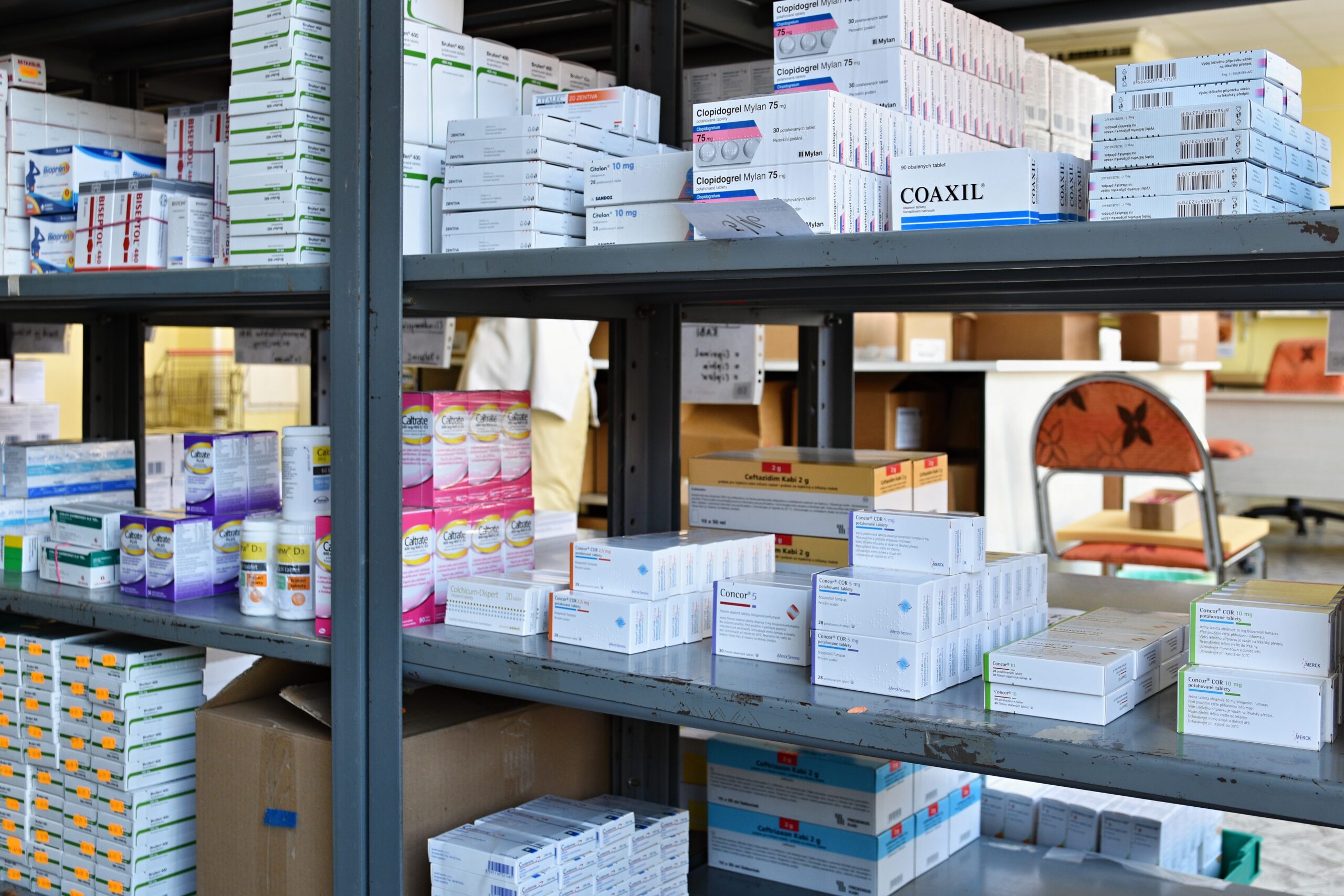
In these situations, healthcare providers may need to seek emergency alternatives, often at a higher cost. This affects both affordable healthcare and system efficiency. A dependable medical supplier helps minimise these disruptions by ensuring continuity, predictability, and reliability within the medical supply chain.
Medication Access as a System-Wide Responsibility
Ensuring medication access involves far more than writing a prescription. It requires coordination across the entire medical supply chain, from sourcing to delivery.
Key components include:
- Availability of essential medicines
- Proper storage and handling to maintain quality
- Timely distribution and replenishment
A breakdown at any point can disrupt continuity of care. This is why healthcare facilities increasingly rely on experienced medical suppliers who understand regulatory requirements, inventory management, and demand planning. In Malaysia, partnering with a reliable medical equipment supplier and pharmaceutical supplier ensures that both medicines and equipment reach providers efficiently and safely.
Mortality Rate and Why It Is Taken Seriously
You may be wondering why global health authorities pay so much attention to Nipah virus.
One key reason is its mortality rate. Fatality rates have ranged between 40 percent to as high as 75 percent depending on the outbreak and healthcare response capacity.
This does not mean every infection leads to fatal outcomes. Recovery chances improve significantly with early detection, supportive medical care, and proper isolation measures.
Malaysia’s experience handling the 1998 outbreak has helped strengthen surveillance systems and response protocols today.
Is Malaysia at Risk Today
From a public standpoint, the current risk in Malaysia remains low. There is no widespread outbreak locally at this time.
However, health authorities continue monitoring due to regional proximity to countries that have reported cases.
Malaysia is considered better prepared today due to:
- Stronger surveillance systems
- Improved laboratory testing capacity
- Cross border monitoring
- Established outbreak response protocols
Still, early detection remains challenging because initial symptoms can look like common flu. This is why awareness at both community and healthcare levels continues to matter.
Preparedness does not mean panic. It simply means readiness if a case ever emerges.
How the Public Can Reduce Risk
So what can you do on a personal level.
Prevention mainly comes down to avoiding exposure sources and practicing good hygiene.
Here are practical precautions you can take:
- Avoid consuming raw or unprocessed palm sap
- Avoid fruits partially eaten by animals
- Wash fruits thoroughly before consumption
- Avoid direct contact with bats or sick animals
- Practice frequent hand washing
- Follow travel health advisories when visiting affected regions
These steps may sound simple, but they play a big role in reducing zoonotic transmission risk.
Why Healthcare Preparedness Still Matters
Even though this topic is important for public awareness, it also matters for healthcare providers, clinics, and pharmacies.
When people fall sick, primary care clinics and community pharmacies are usually the first places they visit. This makes early assessment and triage very important.
Preparedness at this level can influence how quickly suspected cases are escalated and contained.
What Clinics and Pharmacies Should Be Ready With
From an operational standpoint, preparedness does not mean stockpiling rare antiviral drugs. There is currently no specific antiviral treatment approved exclusively for Nipah virus. Care is largely supportive.
However, infection control readiness is critical.
Clinics should maintain adequate supplies of personal protective equipment:
- Medical masks
- Gloves
- Gowns
- Face shields
Operational readiness should also include:
- Designated assessment or isolation areas
- Surface disinfectants
- Sanitization supplies
- Thermal scanners
- Patient triage workflows
Pharmacies play an education role too. Many individuals first seek over the counter medication when experiencing fever. Awareness guidance helps ensure symptomatic individuals seek proper medical assessment when necessary.
The Role of Medical Supply Partners
Outbreak preparedness also highlights the role of medical distributors and supply partners behind the scenes.
Healthcare providers rely on steady access to:
- Consumables
- Protective gear
- Diagnostic support tools
Supply continuity becomes especially important during sudden spikes in demand.
The COVID 19 pandemic showed how supply disruption can strain healthcare systems. Lessons learned continue shaping how clinics and pharmacies plan inventory buffers today.
Emerging viruses like Nipah reinforce the imp
Final Thoughts
Nipah virus may not be making daily headlines, but it remains on global health watchlists for good reason. Its zoonotic nature, high fatality rate, and diagnostic complexity make vigilance important.
For you as a member of the public, awareness and hygiene practices go a long way in reducing exposure.
For clinics and pharmacies, readiness in infection control, patient triage, and protective supplies strengthens early response capability.
Health security is built during quiet periods, when systems, supplies, and awareness frameworks are put in place.
By staying informed and prepared at every level, communities and healthcare providers alike contribute to a safer and more resilient response landscape should Nipah virus ever resurface.