Rising Tuberculosis in Malaysia: Symptoms, Testing and Treatment
In recent years, tuberculosis (TB) rates in Malaysia have increased. Despite national control measures, TB cases continue to afflict thousands of people each year, with states like Sabah, Selangor, and Sarawak reporting higher notification rates due to population density, urban migration, and socioeconomic considerations.
Healthcare access issues and uneven pharmaceutical access complicate TB management, emphasising the significance of dependable medical supply chains for clinics, pharmacies, and hospitals. Early detection and treatment are vital for limiting TB transmission.
What Is Tuberculosis?
Tuberculosis is caused by a bacterium called Mycobacterium tuberculosis. It mainly affects the lungs, although it can sometimes spread to other parts of the body.
TB spreads through the air when a person with untreated active TB coughs or sneezes. However, unlike COVID-19, it does not usually spread through brief contact. Transmission typically requires prolonged or repeated exposure, especially in enclosed or poorly ventilated spaces.
TB exists in two forms:
- Active TB: The bacteria are active, causing symptoms and making the person contagious. Treatment is required immediately.
- Latent TB: The bacteria remain dormant in the body. The person has no symptoms and is not contagious, but the infection can reactivate later if immunity weakens.
Understanding the difference between active and latent TB helps patients seek timely testing and treatment while reducing unnecessary fear or misunderstanding.
Who Is Most at Risk?
Although anyone can contract tuberculosis, some groups are more vulnerable than others:
- Elderly individuals with weakened immunity
- Patients undergoing chemotherapy or immunosuppressive therapy
- People with diabetes or HIV
- Residents of crowded or poorly ventilated housing
- Close contacts of TB patients
The risk of community transmission rises with delayed diagnosis. Both clinical attention and a dependable medical supply chain are necessary for healthcare providers to ensure early detection and continuous treatment.
Symptoms of Tuberculosis in Adults
Adults with tuberculosis frequently experience the following symptoms:
- Persistent cough lasting more than 2-3 weeks
- Phlegm (yellow or green)
- Coughing up blood
- Fever, chills, and night sweats
- Unexplained weight loss
- Fatigue and shortness of breath
Patients should seek medical assistance right away if they experience lung-related symptoms. Effective treatment and stopping the spread of tuberculosis in Malaysia depend on timely testing.
Tuberculosis Testing in Malaysia
Early tuberculosis testing is key to catching the disease before it spreads and ensuring effective treatment. Common diagnostic options include:
- Chest X-ray
- Sputum examination
- TB skin tests
- Blood tests
Hospitals and government clinics across the country offer testing. Early diagnosis improves treatment success rates and decreases population exposure. A dependable medical supply guarantees that pharmaceuticals and diagnostic tools are constantly available for prompt treatment.
Treatment and Side Effects
It’s important to consider the side effects of tuberculosis treatment. TB therapy requires strict adherence for at least six months, with multiple antibiotics taken daily.
Common side effects include:
- Nausea or loss of appetite
- Fatigue
- Liver strain
- Orange or red urine (with some medications)
Malaysia’s treatment interruption rate (~24%) and success rate (~81.5%) highlight the importance of consistent medication access. Disruptions can lead to drug-resistant TB, longer treatment, and higher public health costs.
Why TB Cases Are Rising in Malaysia
The recent rise in tuberculosis cases in Malaysia is caused by several factors, including:
- Delayed detection and diagnosis: Symptoms are often overlooked, allowing TB to spread.
- Stigma prevents patients from seeking care: Misconceptions about how TB spreads discourage people from seeking testing or treatment.
- Poor adherence to treatment: Skipping or stopping medication can cause relapse or drug resistance.
- Reactivation of latent TB: Dormant bacteria can become active if immunity weakens.
- Exposure in crowded indoor settings: TB spreads more easily in close, poorly ventilated spaces.
A strong medical supply chain helps clinics, pharmacies, and hospitals maintain continuity of care, supporting both treatment adherence and public health goals.
How Clinics, Pharmacies and Hospitals Can Prepare
Healthcare providers play a central role in controlling tuberculosis in Malaysia. Beyond diagnosing and prescribing treatment, preparation requires structured patient management, education, and reliable supply continuity.
1. Educate Patients on Symptoms and Treatment Side Effects
Counsel patients on recognising early warning signs such as persistent cough, weight loss, and night sweats. Clear explanations of tuberculosis symptoms in adults help to avoid delayed diagnosis.
In addition, discussing tuberculosis treatment side effects upfront prepares patients for what to expect. When patients understand that mild nausea or fatigue may occur, they are less likely to discontinue medication prematurely.
2. Encourage Early Testing and Follow-Up
To prevent further transmission of tuberculosis in Malaysia, early testing and diagnosis are always important. Clinics should implement screening protocols for high-risk individuals, including elderly patients and those with compromised immunity.
Structured follow-up systems, whether appointment reminders or medication tracking, can significantly improve adherence rates and reduce treatment interruption.
3. Monitor Patient Adherence to Medication
TB treatment requires strict compliance for at least six months. Missed doses increase the risk of relapse and drug resistance.
Healthcare providers should consider regular monitoring strategies, such as scheduled reviews, pharmacist counselling, and clear medication instructions to ensure uninterrupted medication access and compliance.
4. Ensure Uninterrupted Medication Access Through Reliable Medical Supply
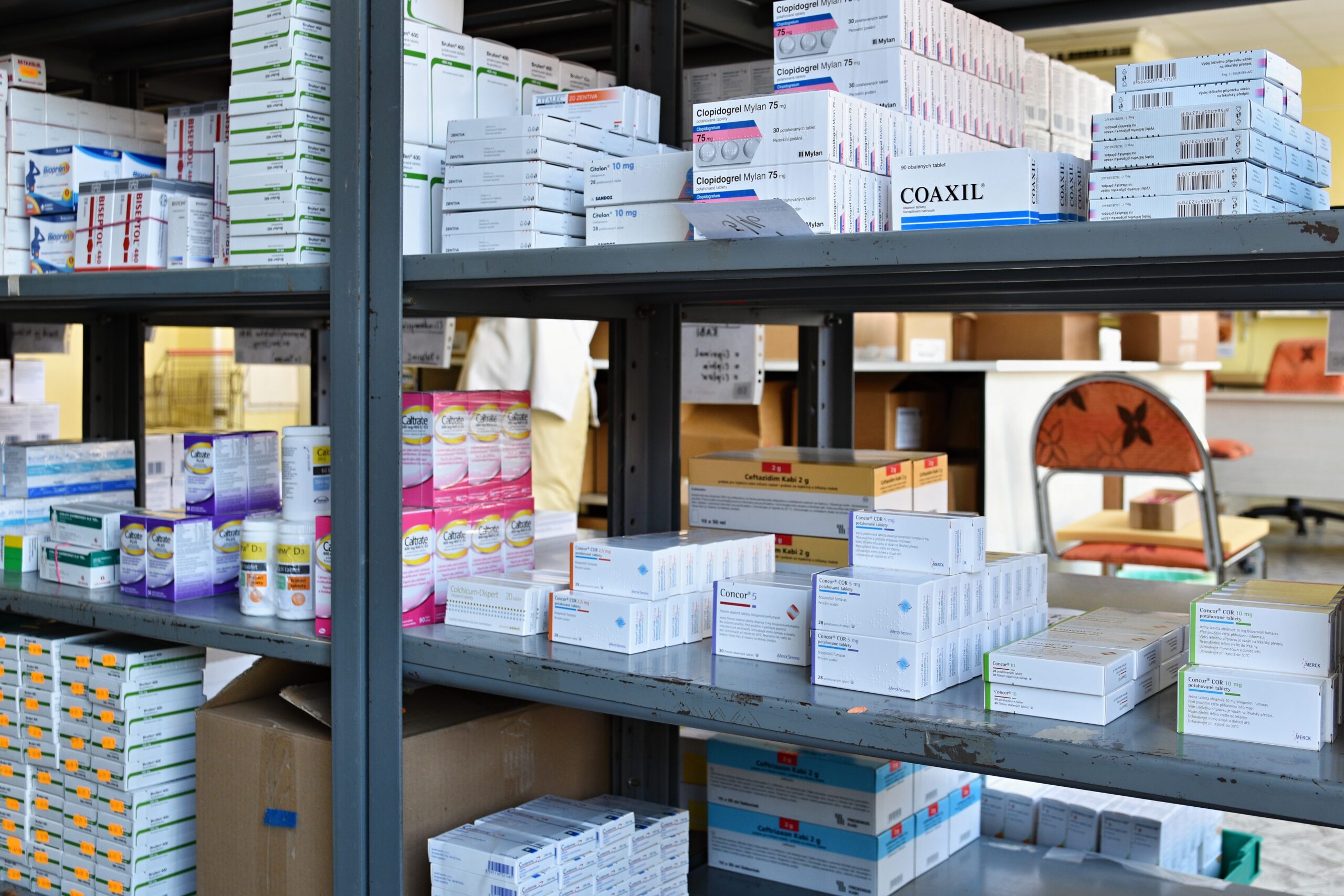
Treatment continuity depends heavily on a stable medical supply chain. Stock shortages or delayed deliveries can disrupt care and undermine patient outcomes.
Partnering with a dependable distributor ensures consistent medical supply, timely replenishment, and compliant storage of TB medications. Reliable distribution support allows clinics, pharmacies, and hospitals to focus on patient management rather than inventory uncertainty.
Distribution partners such as PharmaRise support healthcare facilities across Malaysia by strengthening supply reliability and improving operational stability.
What the Public Can Do
While healthcare providers manage diagnosis and treatment, public awareness remains essential in reducing TB transmission.
1. Seek Medical Attention for Persistent Cough
A cough lasting more than two weeks should never be ignored. Early consultation allows prompt tuberculosis testing, improving recovery rates and preventing spread to close contacts.
2. Follow Treatment Plans Strictly
TB treatment requires discipline and consistency. Patients must complete the full course of antibiotics even if symptoms improve earlier.
Stopping treatment prematurely can lead to drug-resistant TB, which is more complex and costly to treat. Continuous medication access and adherence protect both individual health and community safety.
3. Maintain Good Respiratory Hygiene Practices
Covering the mouth when coughing or sneezing and disposing of tissues properly reduces airborne spread. These simple practices are particularly important in enclosed environments.
4. Improve Indoor Ventilation
Since TB spreads through prolonged exposure in poorly ventilated spaces, increasing airflow in homes and workplaces lowers transmission risk.
Opening windows, using fans, or ensuring adequate building ventilation can significantly reduce the airborne concentration of bacteria.
5. Wear Masks When Symptomatic or in Crowded Spaces
While TB spreads more slowly than viral respiratory infections, wearing a mask when symptomatic or in crowded indoor areas adds an additional layer of protection — particularly for high-risk individuals.
6. Avoid Stigma and Support Treatment
TB is curable when detected early and treated correctly. Reducing stigma encourages patients to seek care promptly and adhere to treatment.
Community support strengthens overall healthcare access efforts and improves public health outcomes.
Conclusion
The rise in tuberculosis in Malaysia underscores the importance of awareness, early detection, and uninterrupted treatment.
Strong healthcare access and a dependable medical supply chain allow clinics, pharmacies, and hospitals to provide consistent, reliable care. Supporting medication access for TB not only protects individual patients but also strengthens the broader public health system.
Through coordinated efforts, from public cooperation to professional vigilance and supply reliability, Malaysia can manage TB effectively, ensuring healthier outcomes for all.