Why Rural Healthcare in Sarawak Still Faces Major Challenges
When people talk about healthcare in Malaysia, the conversation tends to centre around Peninsular Malaysia. But for the nearly 2.8 million people living across Sarawak’s vast interior, the reality of accessing medical care looks very different.
Healthcare in Sarawak faces a unique set of challenges that go beyond what most Malaysians in Peninsular Malaysia experience. Geography, infrastructure, and resource gaps have created a level of healthcare inequality in Sarawak that continues to affect patients and healthcare providers alike. Understanding why these gaps exist and what meaningful progress looks like matters for anyone with a stake in making Malaysian healthcare more equitable.
The Geography Problem
Sarawak’s landmass is nearly the size of Peninsular Malaysia, yet its population density is just 23 people per square kilometre, compared to the national average of 99. With 45.3% of residents classified as rural compared to the national average of 24.4%, poor road infrastructure, and limited internet connectivity, the logistical challenges for healthcare delivery in the state are huge.
For a patient in a remote longhouse community, getting to the nearest clinic may mean hours of travel along unpaved roads or by boat. It has been reported that some rural residents travel up to 50 kilometres to reach the nearest hospital, a daunting journey for anyone, let alone an elderly person or someone managing a chronic condition.
This is the reality of rural healthcare in Sarawak today. Distance is not just an inconvenience. It is a genuine barrier to survival.
What the Numbers Show
The gaps in the Sarawak healthcare system become even clearer at the clinic level:
- 39% of public health clinics have no pharmacists
- 70.7% have no laboratory services
- 88.9% have no X-ray services
This means many rural clinics can only provide basic treatment. More complex cases often require referrals to hospitals in larger towns, which may be hours away.
For patients managing conditions like diabetes, hypertension, or chronic kidney disease, this is not a one-time inconvenience. It is a recurring burden that many quietly avoid, leading to delayed diagnoses and preventable complications.
People in rural areas also face high travel costs, adding to their financial burden, especially those with chronic conditions who require regular follow-up care. This ongoing gap in healthcare access in Sarawak highlights how healthcare challenges in the state are not only about infrastructure, but also affordability.
What It Means for Patients on the Ground
The challenges surrounding healthcare access in Sarawak affect everyday life in very real ways, especially for patients living in rural communities.
Delayed Access to Medical Care
For many rural Sarawakians, getting to a clinic or hospital is not simple. Long travel distances, limited transport options, and difficult road conditions can delay treatment, even for common illnesses or follow-up appointments.
An elderly patient with hypertension, for example, may postpone check-ups because the journey takes an entire day and costs more than they can comfortably afford.
Difficulty Managing Chronic Conditions
Patients living with long-term illnesses such as diabetes, hypertension, or kidney disease often require regular medication, monitoring, and follow-up care. In areas with limited healthcare facilities, maintaining consistent treatment becomes much harder.
A patient who runs out of medication may have no immediate access to restocking until the next supply trip or delivery arrives.
Limited Access to Healthcare Support
In some rural districts, access to pharmacists, laboratory testing, or diagnostic services remains limited. This means patients may not receive timely guidance on medication use, dosage, or early signs of complications.
These are not isolated cases. They reflect the broader reality of healthcare inequality in Sarawak, where rural communities continue to face barriers that urban populations are less likely to experience.
Challenges in Data and Planning
Civil society organisations have also highlighted the need for better healthcare data collection in remote communities. Without accurate and up-to-date information, it becomes more difficult to develop targeted policies and improve healthcare services where they are needed most.
What Is Being Done
While the challenges are significant, efforts are underway to strengthen the Sarawak healthcare system and improve healthcare delivery across rural areas.
Flying Doctor Services (FDS)
The Flying Doctor Service remains one of the key initiatives supporting rural healthcare in Sarawak. These periodic medical visits help deliver basic healthcare services to remote communities where permanent facilities are not viable.
However, the programme still faces limitations in terms of scheduling, coverage, and operational capacity.
Expanding Digital Healthcare
Digital healthcare initiatives are also gaining attention as a long-term solution for improving healthcare access in Sarawak.
In 2024, RM10 million was allocated to develop a centralised digital platform for Sarawak hospitals. The broader goal is to create a more connected and technology-enabled healthcare system through teleconsultation and electronic medical records.
Telemedicine is widely seen as one of the most practical ways to extend specialist care into remote districts without requiring large-scale physical infrastructure in every location.
Improving Internet Connectivity
Reliable internet access remains a major challenge in many rural parts of Sarawak. NGOs and healthcare advocates have stressed that stronger digital infrastructure is essential if telemedicine and digital healthcare services are to function effectively across the state.
Without stable connectivity, many rural communities will continue to face difficulties accessing healthcare support remotely.
The Role of Reliable Supply in Closing the Gap
Improving healthcare in Sarawak is not only about increasing the number of clinics or healthcare workers. It also depends heavily on whether healthcare facilities can consistently access the medication and equipment they need.
Supply Chain Challenges in Rural Areas
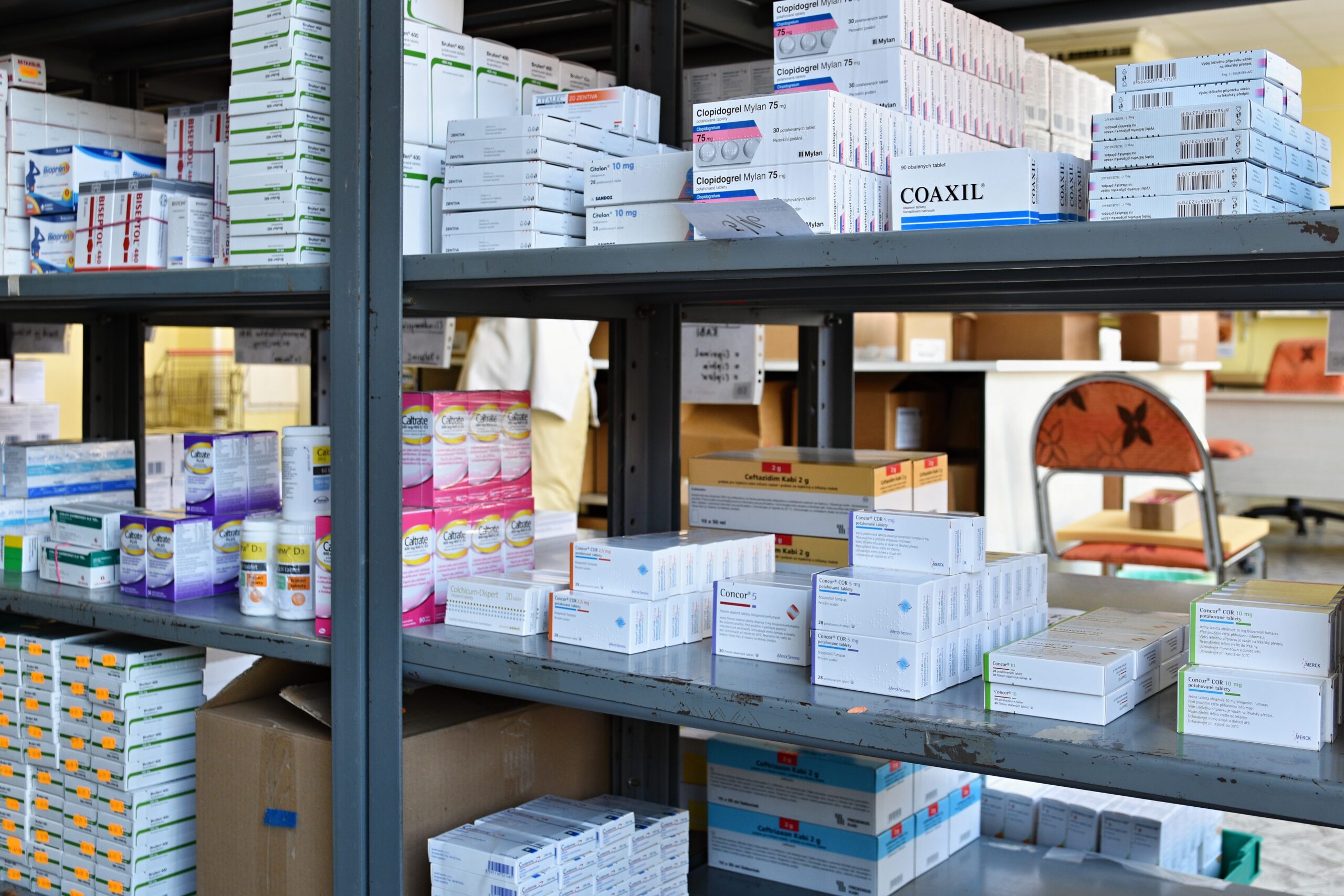
For clinics and pharmacies in rural and semi-rural areas, supply chain disruptions remain a persistent issue. Long delivery lead times, transportation limitations, and inconsistent stock availability can affect access to essential healthcare products.
This can result in shortages of medications, wound care supplies, and monitoring devices that patients rely on daily.
Why Reliable Distribution Matters
A dependable pharmaceutical distributor plays an important role in ensuring continuity of care. Healthcare providers need a reliable medical supplier that can consistently fulfil orders while navigating the logistical realities of East Malaysian delivery.
For clinics managing chronic disease patients, timely access to medication is essential for helping patients stay on treatment plans and avoid interruptions in care.
Supporting Rural Healthcare Providers
As a pharmaceutical distributor serving healthcare providers across Malaysia, including East Malaysia, PharmaRise understands the operational challenges faced by clinics and pharmacies in Sarawak.
Being a reliable medical supplier means more than offering competitive pricing. It means providing consistent support, responsive service, and dependable delivery for communities where healthcare access is already limited.
Moving Forward
Healthcare in Sarawak has come a long way since independence, but the gaps that remain are still significant and well-documented. Closing these gaps will require action across multiple areas, including stronger infrastructure, better digital connectivity, more healthcare workers in rural postings, and medical supply chains that can consistently reach underserved communities.
Improving healthcare access in Sarawak also requires long-term collaboration between government agencies, healthcare providers, and industry partners that understand the realities of rural healthcare delivery.
The Sarawak healthcare system has the potential to serve rural communities more effectively as infrastructure, technology, and healthcare support continue to improve. What matters now is consistent follow-through, along with partners across the supply chain who are willing to support communities that have historically had to make do with less.