What Is Hantavirus and Should Malaysians Be Worried?
A name that was barely on most people’s radar a few weeks ago has suddenly become one of the most searched health topics online. Hantavirus is making headlines, and understandably, people want to know what it is, how serious it is, and whether they need to be concerned.
The short answer is that Malaysia is not facing a hantavirus outbreak. However, understanding what the virus is, how it spreads, and what symptoms to watch for is still worth knowing, especially as global health events increasingly reach Malaysian audiences and healthcare systems.
At the moment, the hantavirus situation in Malaysia remains one of awareness and precaution rather than active local transmission.
What Is Hantavirus?
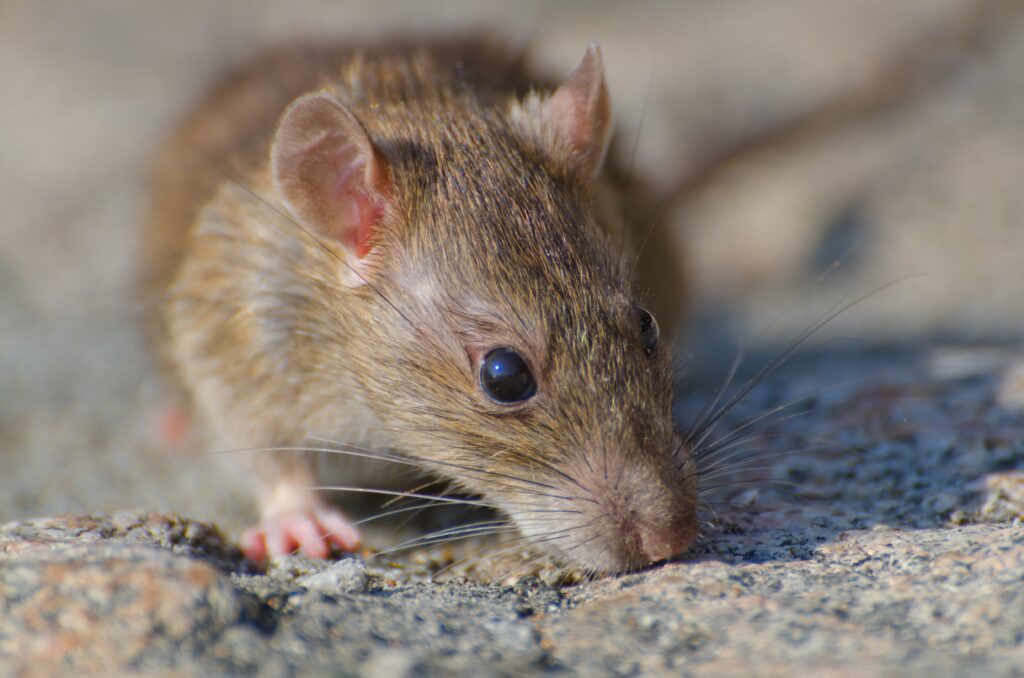
Hantavirus is a group of viruses carried primarily by rodents, especially rats and mice.
How Does Hantavirus Spread?
Humans are usually infected by breathing in air contaminated with dried rodent urine, droppings, or saliva. This means exposure is more likely in enclosed or poorly ventilated spaces with rodent activity, such as:
- Storerooms
- Construction sites
- Old buildings
- Flood-affected areas
- Garages or abandoned spaces
Unlike many viral illnesses, hantavirus is not commonly spread through direct human contact.
The Andes Virus Concern
There are more than fifty known hantavirus strains, and most are not transmissible between humans. However, the Andes virus, which is currently making headlines, is the only known strain capable of human-to-human transmission.
This is one reason why the current hantavirus outbreak has attracted global attention.
What Sparked the Current Concern?
The current hantavirus outbreak making headlines in May 2026 is linked to MV Hondius, an expedition cruise ship that departed from Ushuaia, Argentina, in April 2026.
On 2 May 2026, European health authorities were notified of a cluster of severe respiratory illness among passengers and crew onboard the vessel. The virus was later identified as Andes hantavirus.
As of 24 May 2026:
- 12 total cases have been reported
- 10 cases were confirmed
- 2 were classified as probable
- 3 deaths have been recorded
International contact tracing is ongoing, with WHO and national health authorities coordinating response measures across multiple countries.
What About Hantavirus Cases in Malaysia?
For Malaysia specifically, Health Minister Datuk Seri Dr Dzulkefly Ahmad confirmed that no hantavirus cases have been reported so far.
He also stated that Malaysia’s healthcare system is equipped to detect and manage the virus, with PCR testing capabilities available through the Institute for Medical Research. Border checks and maritime inspections have also been strengthened as precautionary measures.
In short, the current hantavirus situation in Malaysia is one of heightened vigilance rather than an active outbreak.
What Are the Hantavirus Symptoms?
Understanding hantavirus symptoms is important, especially for anyone who may have been exposed to rodent-contaminated environments or travelled recently.
Early Hantavirus Symptoms
The early stage of infection often resembles a flu-like illness.
Common hantavirus symptoms include:
- Fever
- Muscle aches
- Fatigue
- Cough
- Shortness of breath
These symptoms may appear several days to two weeks after exposure and can easily be mistaken for common respiratory infections.
Serious Hantavirus Effects
In more severe cases, the illness can progress into Hantavirus Pulmonary Syndrome (HPS), where fluid builds up in the lungs, and breathing becomes difficult.
Serious hantavirus effects may include:
- Severe shortness of breath
- Persistent coughing
- Chest tightness
- Respiratory distress
At this stage, immediate medical treatment is required.
Another possible complication is Haemorrhagic Fever with Renal Syndrome (HFRS), which affects the kidneys rather than the lungs. Severe hantavirus effects can include kidney complications and bleeding-related symptoms.
When Should You Seek Medical Attention?
Doctors advise seeking medical help if flu-like symptoms develop after exposure to environments with rodent activity, especially dusty or poorly ventilated areas.
Early assessment can make a significant difference in outcomes.
Should Malaysians Be Worried?
At present, Malaysian health authorities continue to assess the local risk as low. No confirmed local hantavirus cases in Malaysia have been reported as of May 2026.
The Andes strain linked to the cruise ship cluster is not native to Malaysia, and the circumstances surrounding the outbreak are not reflective of typical day-to-day exposure in the country.
However, awareness still matters for several reasons.
Rodent-Borne Diseases Are Not New to Malaysia
Malaysia is already familiar with rodent-related illnesses such as leptospirosis. Floods, urbanisation, construction activity, and poorly maintained spaces can all increase contact with contaminated environments.
This makes public awareness around hantavirus symptoms and prevention measures worthwhile, even if local risk remains low.
Malaysia Is a Major Travel Hub
As a country with significant international travel and transit activity, staying informed about global infectious disease developments is important for both healthcare providers and the public.
Prevention Still Matters
The Ministry of Health advises Malaysians to:
- Avoid direct contact with rats and rodent waste
- Wear gloves and masks when cleaning contaminated areas
- Avoid sweeping or vacuuming rat droppings directly
- Keep living and storage spaces clean and well-ventilated
These precautions help reduce exposure risk to hantavirus and other rodent-borne illnesses.
What Clinics and Pharmacies Should Know
For healthcare providers, the current hantavirus outbreak serves as a reminder of how quickly public concern around emerging diseases can affect healthcare operations.
Managing Patient Concerns
Frontline staff at clinics and pharmacies are often the first point of contact for patients worried about respiratory symptoms after travel or possible rodent exposure.
Having clear and factual information about hantavirus symptoms, referral pathways, and risk levels helps healthcare providers respond calmly and professionally.
Preparing the Medical Supply Chain
Global health events can also place sudden pressure on the medical supply chain, especially when demand increases for:
- PPE
- Diagnostic tools
- Respiratory support products
- Infection control supplies
Healthcare facilities that rely on reactive procurement may struggle when sudden demand spikes occur.
Why Reliable Supply Matters
Working with a dependable pharmaceutical distributor helps clinics and pharmacies maintain supply continuity during periods of uncertainty.
A responsive medical supplier that understands the realities of healthcare operations in Malaysia can support more stable inventory management across essential product categories.
At PharmaRise, supporting a resilient medical supply chain for healthcare providers across Malaysia is part of our ongoing commitment as a trusted pharmaceutical distributor and medical supplier.
The Bottom Line
Hantavirus is a serious illness where it occurs, and the current hantavirus outbreak linked to MV Hondius has understandably drawn global attention. However, the current hantavirus risk in Malaysia remains low, with no confirmed local cases reported so far.
What matters most right now is awareness, not panic. Understanding hantavirus symptoms, recognising potential exposure risks, and practising proper hygiene can help Malaysians stay informed without unnecessary fear.
For healthcare providers, this is also a timely reminder of the importance of preparedness, reliable procurement planning, and maintaining a strong medical supply chain before the next public health concern emerges.