Colon Cancer in Malaysia: Symptoms, Screening & Prevention
For years, colon cancer was often seen as a disease that mainly affected older adults. However, this is no longer the case. More young Malaysians are now being diagnosed with the disease, with cases among people below 50 becoming increasingly concerning.
According to Malaysia’s National Cancer Registry, colon cancer cases increased by 53.9% between 2012 – 2016 and 2017 – 2021. Around 15.3% of cases now involve people under 50, while local studies have found that 11% of patients are below 40. What makes it more worrying is that many younger patients are only diagnosed when the disease has already reached Stage 3 or Stage 4.
One of the reasons colon cancer can be difficult to detect is that symptoms may not appear until the disease has progressed. Many people also delay screening because they feel healthy, even though early detection can significantly improve treatment outcomes.
By understanding the warning signs, risk factors, and available screening options, Malaysians can take earlier steps to detect colon cancer and seek treatment before it becomes more difficult to manage.
What Is Colon Cancer?
Colon cancer is a type of cancer that develops in the large intestine (colon), where abnormal cells grow uncontrollably. It usually begins as small growths called polyps, which can gradually become cancerous over time if left untreated.
Because the disease often develops slowly, regular colon cancer screening helps doctors detect and remove abnormal polyps before they turn into cancer. When detected early, colon cancer treatment is generally simpler and more effective.
Colon Cancer Symptoms
As mentioned earlier, one of the biggest challenges is that colon cancer symptoms often do not appear during the early stages of the disease. This explains why many Malaysians delay colon cancer screening, believing there is nothing to worry about if they feel well.
As the cancer grows, it can affect how the colon functions, leading to noticeable changes in bowel habits or other digestive symptoms. Common colon cancer symptoms include:
- Blood in the stool
- Persistent diarrhoea or constipation
- Changes in bowel habits lasting several weeks
- Abdominal pain or bloating
- Unexplained weight loss
- Constant fatigue or weakness
It is important to remember that these colon cancer symptoms do not always indicate cancer. However, if they persist, worsen, or occur together, it is important to seek medical advice as soon as possible. Early assessment and colon cancer screening can help detect problems before the disease progresses, leading to better treatment outcomes.
What Causes Colon Cancer?
There is no single cause of colon cancer. Instead, several factors can increase a person’s risk over time. While some colon cancer causes cannot be changed, many are linked to everyday lifestyle habits, which means there are steps you can take to lower your risk.
Risk Factors You Cannot Control
Some risk factors are beyond your control, including:
- Increasing age
- Family history of colon cancer
- Certain inherited genetic conditions
If you have a close family member who has had colon cancer, speak to your doctor about whether you should begin colon cancer screening earlier than the general recommendation.
Lifestyle Factors You Can Change
Many colon cancer causes are related to lifestyle choices. These include:
- Low-fibre diets
- Frequent consumption of processed or red meat
- Obesity
- Physical inactivity
- Smoking
- Excessive alcohol consumption
These habits are becoming increasingly common in Malaysia, particularly with more inactive lifestyles and the growing reliance on processed and convenience foods. Over time, they can increase the risk of developing colon cancer.
Making healthier choices is an important step in preventing colon cancer, which includes healthy habits such as:
- Eating more fibre-rich foods
- Staying physically active
- Maintaining a healthy weight
- Avoiding smoking
Combined with a timely colon cancer screening, these lifestyle changes can help reduce your risk and improve the chances of detecting the disease early.
Colon Cancer Screening: What to Expect
Since colon cancer symptoms often don’t show up before it’s too late, colon cancer screening is designed to detect changes before signs develop, giving patients a much better chance of successful treatment.
How often you should be screened depends on your age and risk level, but for most adults, screening is not a one-time test. It is something that should be done regularly as part of long-term health monitoring.
A. iFOBT: A Simple First Step
For adults aged 40 to 75, doctors recommend an annual immunochemical Faecal Occult Blood Test (iFOBT). This simple, non-invasive test checks for hidden blood in the stool, which can be an early sign of colon cancer.
The test can usually be completed at home using a stool sample, making it a convenient option for routine colon cancer screening.
B. Colonoscopy for Higher-Risk Individuals
People with a family history of colon cancer or other risk factors may be advised to undergo a colonoscopy every 5 to 10 years, depending on their doctor’s recommendation. During this procedure, a doctor uses a thin, flexible camera to examine the inside of the colon. If abnormal polyps are found, they can often be removed during the same procedure before they develop into cancer.
Although many people feel anxious about a colonoscopy, it is one of the most effective methods of colon cancer screening and plays an important role in early detection.
C. What Happens If Colon Cancer Is Detected?
If colon cancer is diagnosed, colon cancer treatment will depend on the stage of the disease. Treatment may include colon cancer surgery, chemotherapy, targeted therapy, or a combination of approaches.
The good news is that when colon cancer is detected early through regular colon cancer screening, treatment is often less extensive and the chances of recovery are significantly higher.
Supporting Better Screening and Early Detection
As awareness of the importance of colon cancer screening continues to grow, healthcare providers also need reliable access to the tools that support early diagnosis and patient care.
Clinics and hospitals rely on a range of medical equipment and supplies to support screening, including:
- Diagnostic consumables (test kits, reagents, and other single-use items)
- Specimen collection products (containers, tubes, and kits used to safely collect and transport samples)
- Equipment used during screening procedures (such as endoscopy systems and imaging tools used to examine the colon)
Having these resources readily available helps ensure patients receive timely investigations without unnecessary delays.
Why the Right Supply Partner Matters
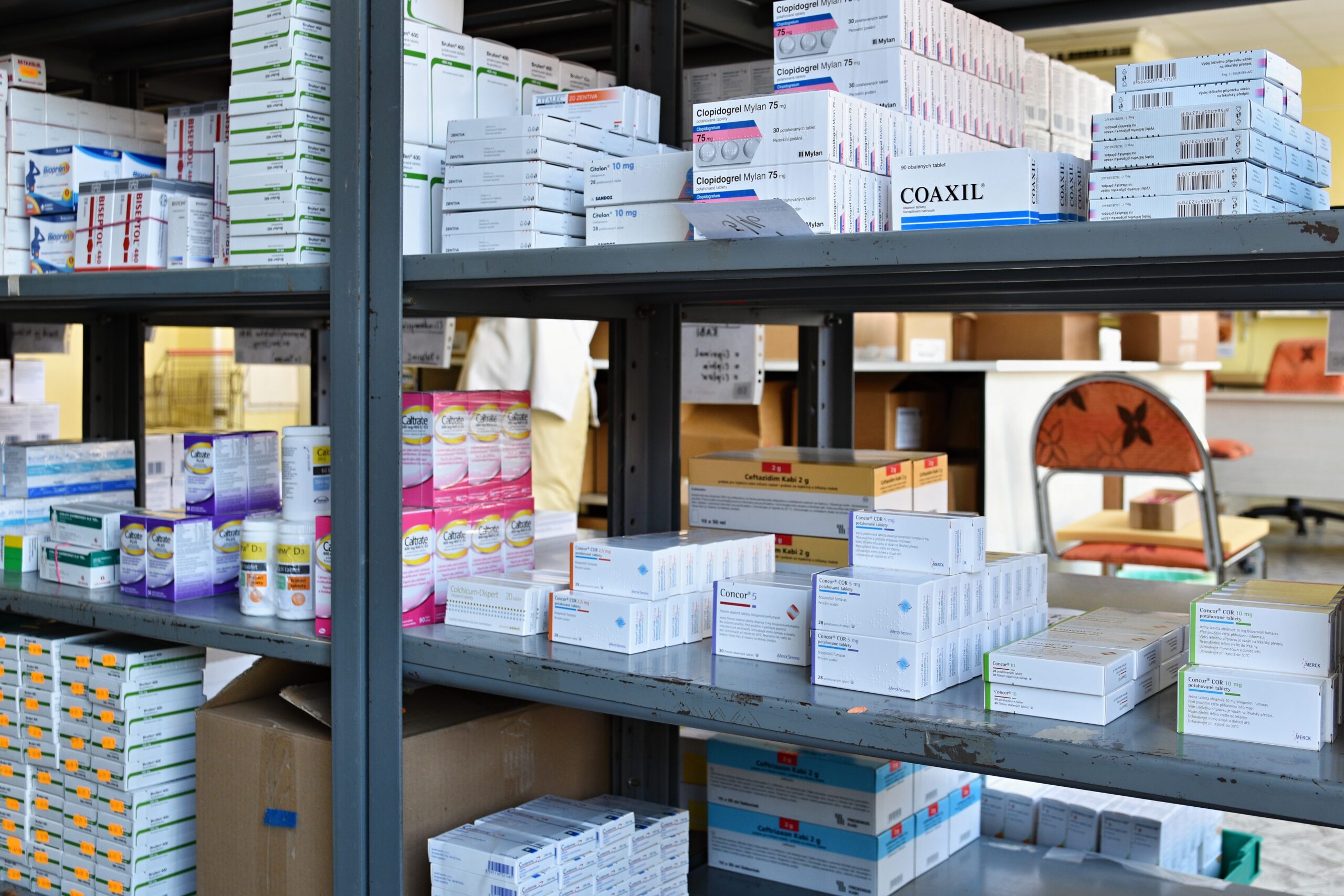
Just as important is having the right supply partner. A trusted medical equipment supplier allows healthcare providers to maintain a consistent stock of essential medical equipment and supplies, as well as pharmaceutical products, supporting smoother day-to-day operations.
As a trusted medical equipment supplier, PharmaRise supports clinics, pharmacies, and healthcare providers across Malaysia with reliable access to quality pharmaceutical products, medical equipment, and medical supplies, helping healthcare teams stay prepared as demand for preventive healthcare continues to grow.
Conclusion
The rise of colon cancer among younger Malaysians shows that this is no longer a disease affecting only older adults. Recognising colon cancer symptoms, understanding colon cancer causes, and participating in regular colon cancer screening can lead to earlier diagnosis and better outcomes.
For healthcare providers, improving early detection also means ensuring the right medical equipment and supplies are always available to support screening and patient care. Together, greater public awareness and reliable healthcare support can help reduce the impact of colon cancer in Malaysia.