Dry, Red or Itchy Eyes? Choosing the Right Eye Drops
Dryness, redness and itchy eyes are common complaints, but they do not always have the same cause or treatment. Due to the modern Malaysian lifestyle, spending long hours on screens and being in air-conditioned environments are common parts of everyday life. These factors, along with allergies, irritation, and infections, can affect eye comfort in different ways.
This also means there is no single eye drop that works for every eye concern. Lubricating drops may help with dryness, while allergy-related itching may respond better to antihistamine formulations. Redness caused by irritation may need a different approach altogether.
Not every eye problem needs the same solution, so knowing the difference can help you choose the right eye drops and know when to see a doctor.
Eye Drops for Different Concerns
As mentioned earlier, different eye concerns call for different types of eye drops, each designed to address specific symptoms. Knowing what may be causing your discomfort can make it easier to choose the right eye drop for your needs.
1. Dry Eyes
Dry eyes can happen when the eyes do not produce enough tears or when tears evaporate too quickly. Long periods of screen use, air-conditioned environments, contact lens wear, and exposure to dry or windy conditions can all contribute to dry-eye symptoms.
Eye drops for dry eyes are usually designed to lubricate the surface of the eye and reduce friction. They may be labelled as lubricating eye drops, artificial tears or natural tears, and can help relieve:
- A gritty or sandy feeling
- Burning or stinging
- Mild irritation
- Excessive watering caused by dryness
When to get it checked:
If dryness keeps returning, becomes painful, or starts affecting your vision, speak to an eye care professional instead of relying on eye drops for dry eyes alone.
2. Red Eyes
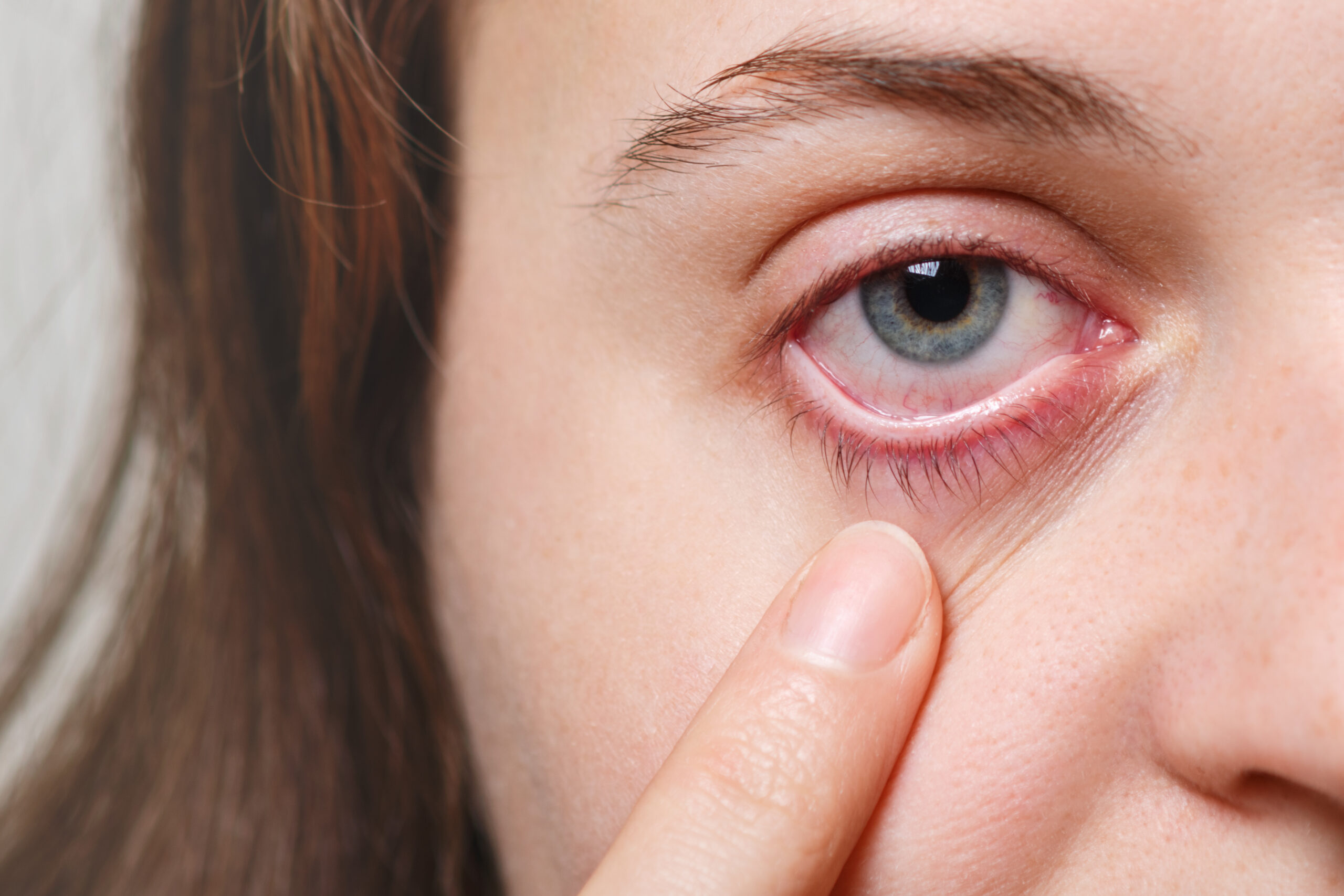
Red eyes can happen for many reasons, including tiredness, dryness, allergies, irritation or infection. That is why the right eye drops for red eyes depend on what is causing the redness.
Some redness-relief drops work by narrowing the small blood vessels on the surface of the eye, helping the eyes look less red. However, they only reduce the appearance of redness and do not treat the underlying cause.
When to get it checked:
Persistent redness, or redness accompanied by pain, discharge or changes in vision, should be assessed by a healthcare professional.
3. Itchy or Allergic Eyes
Itchy eyes are often linked to allergies, particularly when they occur together with watery eyes, sneezing or a runny nose. Air pollution can also irritate the eyes, with haze and airborne particles potentially making itching, redness and watering worse.
Eye drops for allergies may contain antihistamines or ingredients that help reduce the effects of an allergic reaction. These help reduce the allergic response and relieve itching caused by triggers such as dust, pollen and other airborne particles.
When to get it checked:
Persistent itching or symptoms without an obvious trigger should be assessed rather than assumed to be an allergy.
4. Eye Infections and Conjunctivitis
Red, watery or irritated eyes can also be signs of conjunctivitis. The condition may be caused by bacteria, viruses or allergies, so treatment depends on the underlying cause.
For bacterial infections:
Antibiotic eye drops may be prescribed to treat certain bacterial infections. They do not work against viral conjunctivitis, so red or sticky eyes should not automatically be treated with antibiotic drops.
For discomfort:
Lubricating eye drops may help soothe irritation, but they do not treat the underlying infection.
When to get it checked:
If you suspect an eye infection or conjunctivitis, a doctor or eye care professional can determine the likely cause and whether prescription treatment is needed. Never share prescription eye drops, even when symptoms appear similar.
What About Eye Drops for Contact Lens Wearers?
Contact lens wearers have an extra consideration when choosing eye drops. Not every lubricating drop is suitable for use while lenses are still in the eye.
Some products are specifically formulated for contact lens wearers, while others need the lenses to be removed before application. When checking the packaging, look for a statement indicating that the eye drops are suitable for contact lens wearers, and always follow the manufacturer’s instructions.
If you regularly experience dryness, redness or irritation while wearing contact lenses, an eye care professional can also help determine whether your lenses, wearing routine or eye health may be contributing to the problem.
How to Use Eye Drops Safely
Choosing the right eye drops is important, but how you apply them matters too. Good application habits can help prevent contamination and make sure the drops reach the eye properly.
Before using your eye drops:
- Wash your hands thoroughly before handling the bottle.
- Keep the dropper tip clean by avoiding contact with your eye, eyelid or other surfaces.
- Follow the recommended dose on the product label or as advised by your doctor or pharmacist.
- Close the bottle tightly after each use and store it according to the product instructions.
- Check the expiry date and do not use eye drops that have expired.
- Do not share eye drops, especially prescription products, as they are intended for a specific condition and individual.
- Leave enough time between different eye drops if you are using more than one product, following the instructions given by your healthcare professional or on the label.
When Should You See a Doctor?
Many mild and temporary eye complaints can be managed with appropriate over-the-counter eye drops, but some symptoms require professional assessment.
Seek medical attention if you experience:
- Persistent or worsening redness
- Significant eye pain
- Blurred or reduced vision
- Unusual discharge or swelling
- Strong sensitivity to light
- Symptoms that do not improve with appropriate eye care
- A suspected eye infection
Conditions such as glaucoma, retinal disease and other serious eye problems require professional assessment and cannot be managed with general OTC eye drops alone.
What Should Pharmacies and Clinics Keep in Stock?
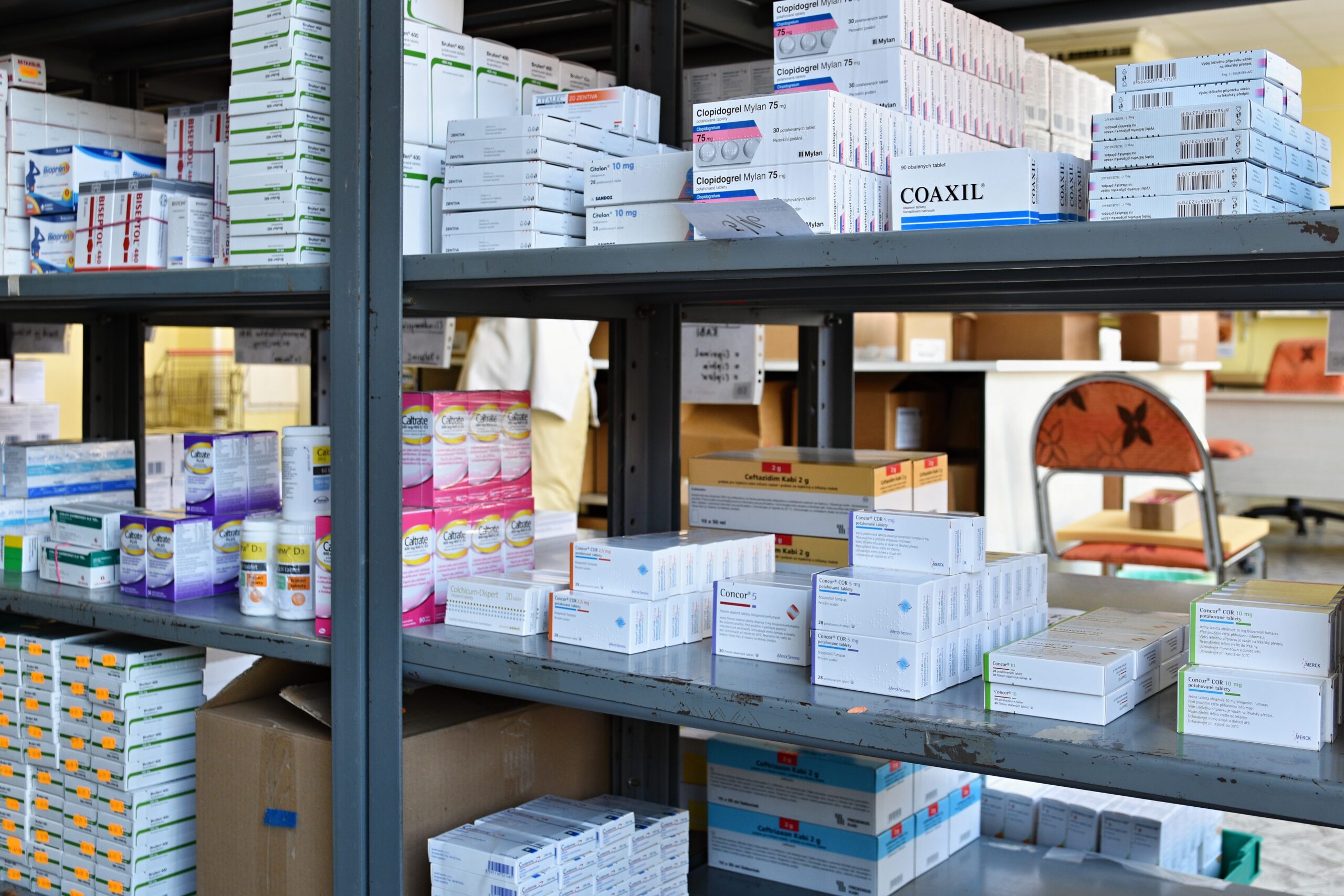
Different eye complaints call for different types of products, which means pharmacies and clinics may benefit from having a well-rounded eye care range available for common patient needs.
Depending on the patients they serve, this may include:
- Lubricating eye drops and artificial tears for dry-eye symptoms
- Allergy-focused eye drops for itching and irritation linked to allergies
- Contact lens-compatible lubricating drops for suitable lens wearers
- Products for occasional eye redness and irritation
- Prescription eye drops, including antibiotic formulations, for appropriate clinical use
Familiar eye care brands such as Alcon, Rohto and Optrex offer a variety of eye drop formulations, allowing healthcare providers to recommend products based on different patient needs while ensuring more serious or persistent concerns receive appropriate follow-up.
Reliable supply is just as important as having the right range. PharmaRise supports pharmacies, clinics and healthcare providers across Malaysia with access to pharmaceutical products and medical supplies, including eye care products, helping providers maintain the products they need for everyday patient care.
Conclusion
Choosing the right eye drop starts with understanding what may be causing the discomfort. While many mild and temporary concerns can be managed with an appropriate over-the-counter product, symptoms that persist, worsen, or affect vision should not be treated through self-care alone. Knowing when to use eye drops and when to seek professional advice can help support safer and more effective eye care.
A well-rounded range of eye care products also makes it easier to meet the different needs that patients may present with, from everyday dryness and allergies to contact lens-related discomfort. With a reliable pharmaceutical supplier, healthcare providers can support common eye care needs while helping patients get further assessment when something requires more attention.
Staying Prepared for Hotter Days
Malaysia’s hotter weather makes dehydration an important health concern, particularly when people are exposed to heat for long periods or lose fluids through illness. Knowing when plain water is enough, when oral rehydration salts may be needed, and when medical attention is necessary can help people manage dehydration more safely.
Maintaining a reliable supply of ORS sachets and other rehydration products can help healthcare providers respond quickly when demand increases.
PharmaRise supports clinics, pharmacies, and healthcare providers across Malaysia with reliable access to pharmaceutical products and medical supplies, helping them stay prepared to meet everyday patient needs as well as periods of increased demand.