Eczema in Malaysia: Triggers, Treatment and Skin Care
Eczema is a common skin condition affecting children and adults alike, often causing dry, itchy, and inflamed skin that flares up unpredictably. In Malaysia’s hot and humid climate, heat and sweat frequently act as persistent eczema triggers, making daily management essential.
Effective management goes beyond treating active flare-ups. A combination of consistent skin care, identifying personal triggers, and targeted treatment helps keep eczema symptoms under control while offering primary care providers key insight to support patients dealing with recurring episodes.
What Is Eczema?
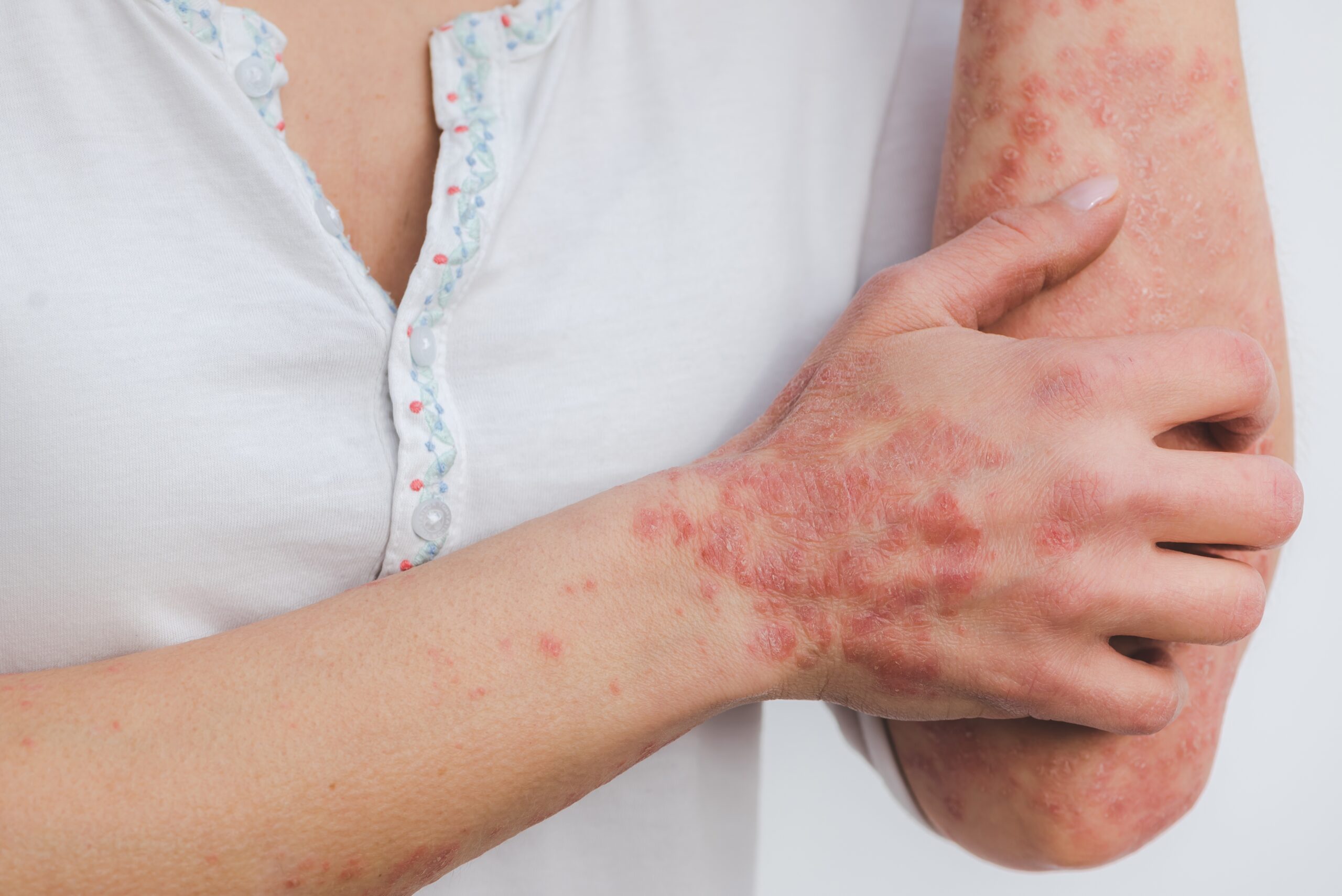
Eczema is a term used for a group of conditions that cause the skin to become dry, itchy and inflamed. Atopic dermatitis, also known as atopic eczema, is one of the most common forms.
Eczema is not contagious, and for many people, it is a long-term condition. This means eczema symptoms can come and go rather than disappearing permanently after one episode.
A flare-up happens when eczema symptoms become more active, often causing increased itching, dryness, redness or irritation.
What Are the Different Types of Eczema?
There are several types of eczema, and they can look and behave differently depending on the cause and where they appear on the body.
Some of the more common types include:
- Atopic Dermatitis
The most common type of eczema, often linked to dry, itchy and inflamed skin. It commonly begins in childhood but can affect people at any age.
- Contact Dermatitis
Happens when the skin reacts to something it comes into contact with, such as certain soaps, fragrances, metals or other irritants.
- Dyshidrotic Eczema
Causes small, intensely itchy blisters, usually on the hands, fingers or feet. Heat, sweating and certain irritants may contribute to flare-ups.
- Nummular Eczema
Often appears as round or oval, itchy patches on the skin and can be associated with very dry skin.
The type of eczema matters because the triggers, symptoms and treatment approach can differ. A rash that looks like eczema may also be caused by another skin condition, so an accurate diagnosis is important before starting any eczema treatment.
What Are the Common Eczema Symptoms?
Eczema symptoms range from mild dryness to more noticeable inflammation, and can vary with the type of eczema, the person’s age, and the area affected.
Common symptoms include:
- Dry or very dry skin
- Persistent or intense itching
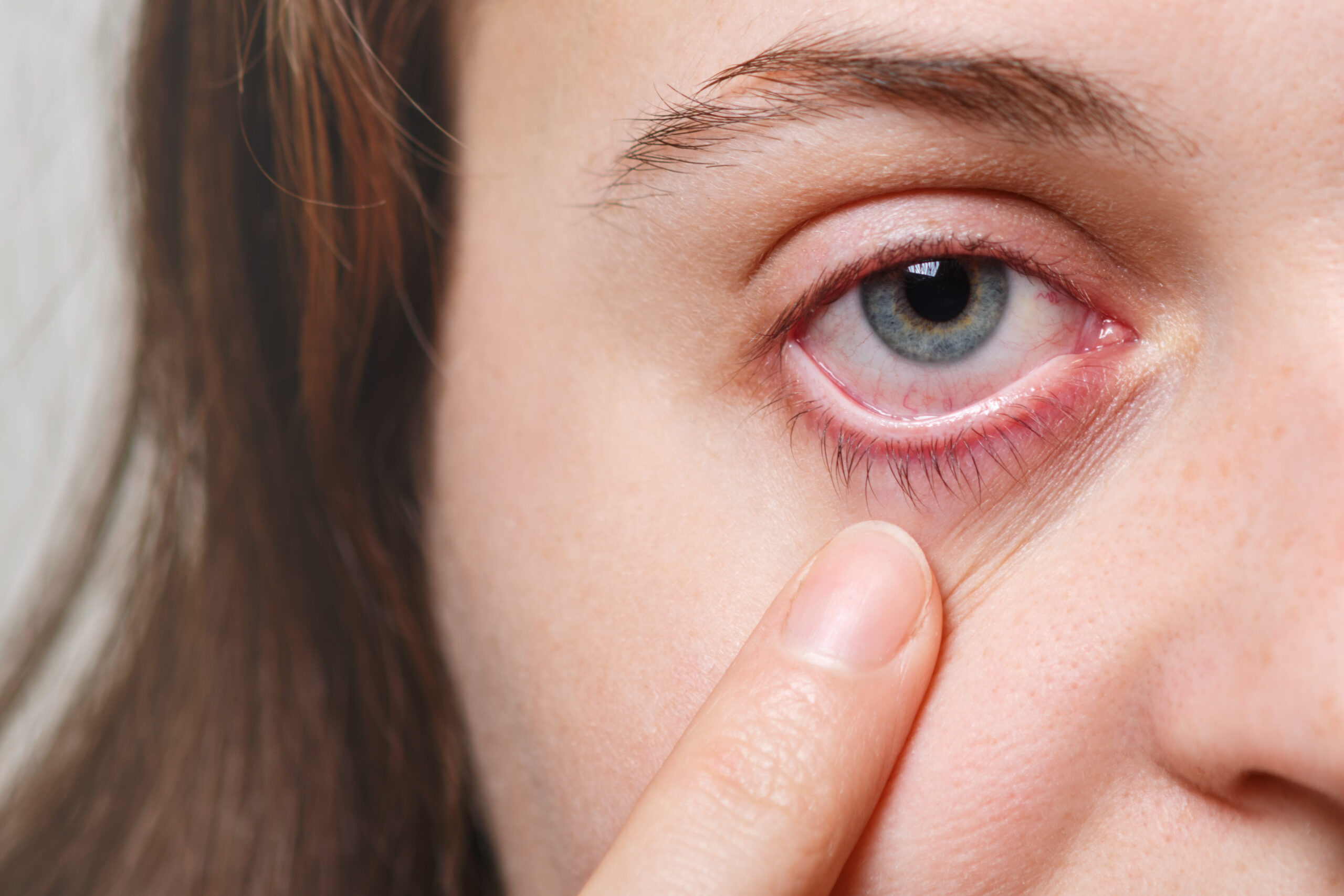
- Red, darker or inflamed patches
- Rough, scaly or cracked skin
- Soreness or irritation
- Oozing or crusting during more severe flare-ups
Scratching may give temporary relief, but repeated scratching can damage the skin, increase irritation and make a flare-up worse. Over time, skin that is frequently scratched or keeps flaring can become thicker or more sensitive.
What Can Trigger Eczema Flare-Ups?
Eczema triggers are different for everyone. Common factors include:
- Heat and sweating
- Changes in temperature (such as moving between outdoor heat and air-conditioned rooms)
- Fragrances and some skin care products
- Soaps and harsh detergents
- Rough or irritating fabrics
- Stress
- Skin infections
- Environmental irritants (such as dust)
Rather than trying to avoid every eczema trigger, it is often more practical to look for patterns. Noticing when eczema symptoms get worse can help patients and healthcare professionals identify what may be contributing.
What Does Eczema Treatment Involve?
Eczema treatment depends on how severe the case is, where it appears on the body and how much it affects daily life. The aim is to calm active inflammation, protect the skin and reduce future flare-ups.
Malaysia’s Ministry of Health recommends a treatment approach that includes regular emollient use and appropriate treatment for flares, with additional therapies when a doctor decides they are necessary.
A. Emollients for Everyday Skin Care
Emollients are moisturising treatments that help keep the skin hydrated and support the skin barrier. The skin barrier is the outer layer that helps retain moisture and protect the body from irritants.
They are a key part of eczema care and are generally used regularly, including when the skin looks clear. Creams, lotions and ointments are available, and the choice can depend on how dry the skin is, where it is being applied and what the patient finds comfortable to use.
B. Topical Corticosteroids for Active Flares
Topical corticosteroids are medicines applied directly to the skin to reduce inflammation during a flare-up. They are selected according to factors such as the severity of the eczema, the body area affected, and the patient’s age.
Strength and duration matter, so they should be used as instructed by a doctor or pharmacist. Using too little may not control the flare, while inappropriate use of stronger products can increase the risk of side effects.
When Should Eczema Be Checked by a Doctor?
Not every case of dry or itchy skin requires medical attention, but some symptoms should not be ignored.
1. When the Rash Is New or Unclear
A persistent rash that has not been diagnosed should be assessed, particularly when the symptoms do not match the person’s usual skin problems. Other skin conditions can look like eczema and may need a different treatment entirely.
2. When Symptoms Are Getting Worse
Medical review may be needed when eczema becomes widespread, increasingly painful, or hard to manage. Frequent flare-ups, significant itching, or symptoms that affect sleep and daily activities can also signal that the current plan needs reassessing.
3. When There May Be an Infection
Eczema can become infected once the skin barrier is damaged. Signs that may suggest an infection include:
- Weeping or oozing skin
- Pus-filled spots
- Crusting
- Rapidly worsening eczema
- Fever or feeling unwell
These symptoms should be assessed by a healthcare professional rather than treated as a normal flare-up.
What Eczema Products May Clinics Need?
Treating eczema in primary care may involve daily skin care, eczema medicine for flare-ups and other medical supplies. Depending on the clinic’s services and patient needs, commonly used products may include:
- Emollients and moisturisers
- Topical corticosteroids in appropriate strengths
- Other topical eczema treatments
- Antihistamines for selected cases
- Wound dressings and basic skin care supplies where required
Emollients are an important part of daily eczema care, and clinics may need different preparations depending on patient needs. Available preparations may include plain aqueous cream, glycerin- or menthol-containing formulations, and Cetomacrogol Emulsifying Ointment. The suitability of each preparation should be assessed based on its ingredients, intended use and individual skin tolerance, particularly for eczema-prone skin. Healthcare practices can also source a wide range of trusted skin care brands through PharmaRise, including Cetaphil, Sebamed, EGO QV, Ceradan, Rosken, and Ezerra.
Depending on disease severity and clinical assessment, treatment may include topical corticosteroids and other prescribed anti-inflammatory therapies. Systemic treatment may be considered for selected severe or difficult-to-control cases, while antibiotics are reserved for situations in which bacterial infection warrants treatment. PharmaRise supplies these treatment categories alongside other pharmaceutical products and medical supplies for healthcare professionals.
With access to a range of commonly needed products, clinics can better support patients managing eczema and other common skin conditions.
Managing Eczema Day to Day
Eczema care relies on a few consistent habits: regular moisturising, recognising personal triggers and using prescribed treatment correctly. When symptoms become difficult to manage, change noticeably or show signs of infection, getting a proper medical assessment is important.
With appropriate treatment and skin care, eczema can be managed more effectively with less disruption to everyday life. Healthcare providers also play an important role by assessing flare-ups, reviewing treatment when needed and referring patients for further care where appropriate.
Healthcare professionals looking for dermatological products and everyday clinic supplies can explore the product categories available through PharmaRise or enquire about opening a purchasing account.