Managing Respiratory Cases During Haze Season
Haze is a recurring concern in Malaysia, and when it hits, clinics can feel the impact quickly. During the recent 2026 episode, Ministry of Health monitoring showed asthma cases rose from 61 to 158 in one week, while upper respiratory tract infection (URTI) cases more than doubled, from 1,637 to 3,674.
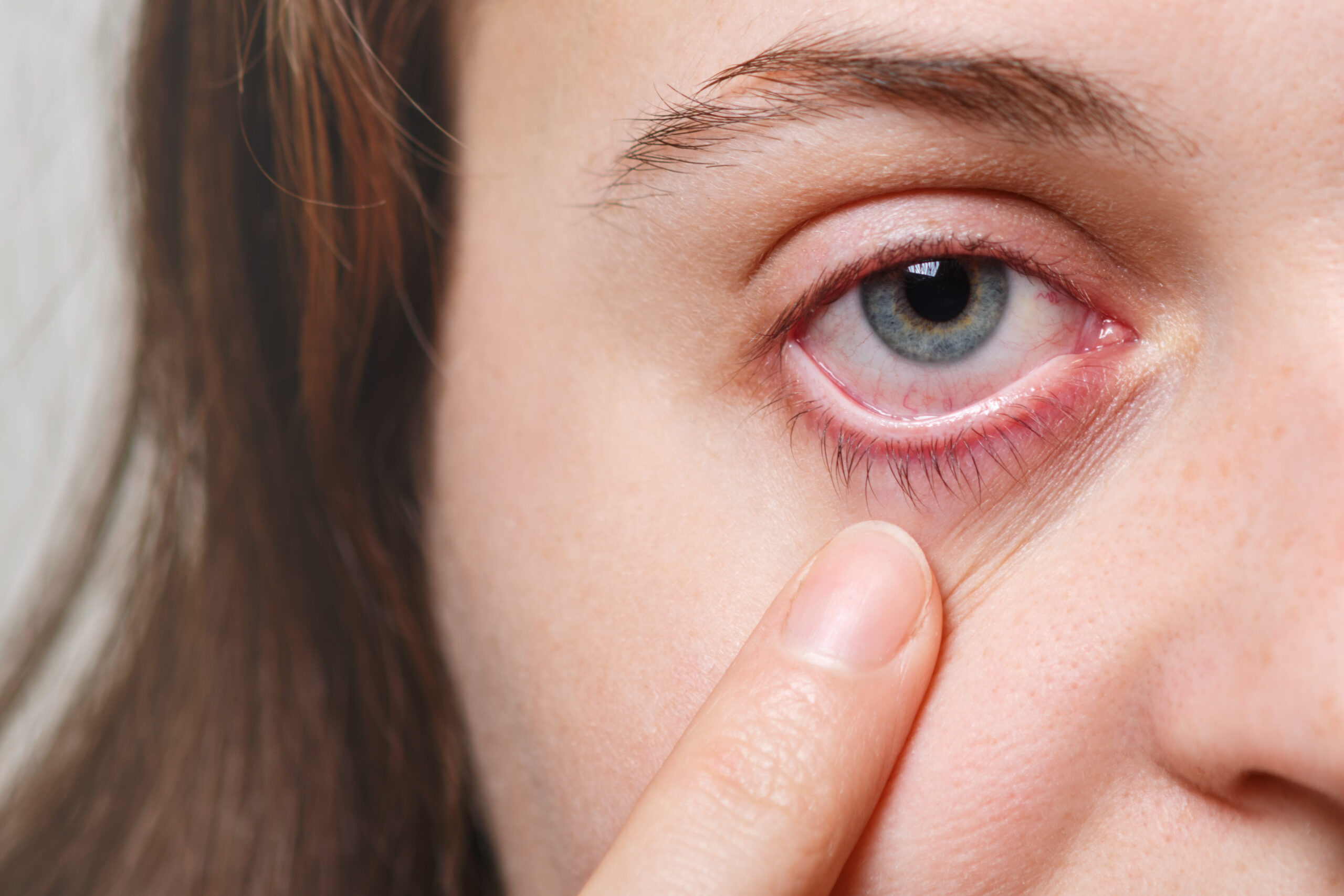
Poor air quality can be especially hard on people with existing respiratory conditions, while others may experience coughing, throat irritation or breathing discomfort. This makes it important to recognise when symptoms need medical attention and how primary care settings can prepare when respiratory demand increases.
How Does Haze Affect Respiratory Health?
Haze contains fine particles and other air pollutants that can irritate the respiratory system. Fine particulate matter can travel deep into the lungs, which can worsen asthma and contribute to other respiratory problems.
However, not every cough or sore throat during haze is caused by air pollution. URTIs have other causes, while poor air quality can irritate the airways or worsen existing symptoms. Distinguishing between irritation and infection matters when assessing patients because the appropriate treatment can be different.
Which Respiratory Conditions Can Worsen During Haze?
Asthma is one of the main concerns during periods of poor air quality. Exposure to air pollution can worsen existing asthma symptoms, including:
- Coughing
- Wheezing
- Shortness of breath
- Chest tightness
Haze can also worsen symptoms linked to allergic and upper airway conditions, including allergic rhinitis. This may include:
- Runny or blocked nose
- Sneezing
- Throat irritation
People with existing respiratory conditions may be more sensitive to changes in air quality, so familiar symptoms can become more noticeable during haze.
When Should Respiratory Symptoms Be Checked?
Mild irritation may cause coughing, a scratchy throat or discomfort when breathing outdoors. These symptoms may improve once exposure is reduced, but persistent or worsening symptoms should be assessed.
Medical attention may be needed when someone experiences:
- Difficulty breathing
- Persistent or worsening cough
- Wheezing or chest tightness
- Symptoms that interfere with normal activities
- Symptoms that do not improve with usual medication
Severe breathing difficulties require urgent medical attention. Anyone with asthma or another chronic respiratory condition should also continue following their treatment plan and seek medical advice if symptoms are not well controlled.
How Can Clinics Prepare for Increased Respiratory Cases?
A haze episode can change the types of complaints seen in primary care and increase demand for certain medicines and supplies. Reviewing stock before conditions worsen can help clinics stay prepared, particularly for products regularly used by patients with asthma and other chronic respiratory conditions.
Depending on the clinic’s services and patient profile, relevant categories may include:
- Prescribed asthma treatments, including appropriate reliever and controller inhalers
- Salbutamol nebuliser solutions
- Nebulisers, inhaler spacers and other inhalation supplies
- Antihistamines and other allergy-related medicines
- Pulse oximeters and other basic monitoring equipment
- Suitable masks, such as N95 masks, and exposure-control supplies
- Frequently used medical consumables
The exact stock required will vary from one clinic to another, but the priority is to make sure commonly used items can be replenished when needed. PharmaRise supplies pharmaceutical products and medical supplies to clinics, pharmacies and other healthcare professionals, including respiratory-related products such as nebulisers, salbutamol nebuliser solutions and inhalers. Beyond pharmaceutical products and medical supplies, PharmaRise also carries selected respiratory wellness supplements, including Tiger Milk Mushroom-based formulations. These products belong to a separate wellness category and are not substitutes for prescribed respiratory treatments.
What Else Should Clinics Review During Haze Season?
Stock is only one part of preparedness. The clinic team also needs a clear approach to handling respiratory complaints and identifying cases that may need further attention.
A quick review can cover:
- Which patients with chronic respiratory conditions may need closer follow-up
- How repeat prescriptions are managed
- Whether current supply arrangements can respond to a sudden increase in demand
- When patients with worsening symptoms should be referred
Clear processes can also help staff identify patients who need closer monitoring or further assessment.
Supporting Respiratory Care During Haze
The recent haze episode showed how quickly respiratory demand can change when air quality deteriorates. While patients may experience anything from mild irritation to worsening asthma symptoms, primary care teams need to be ready to assess these complaints and respond appropriately.
That means looking beyond stock levels alone. Clear processes, timely assessment, appropriate treatment and access to essential medicines, medical supplies and equipment all play a part in keeping care running smoothly. With the right preparation in place, clinics can respond more effectively when haze returns and continue providing timely care to patients who need it.